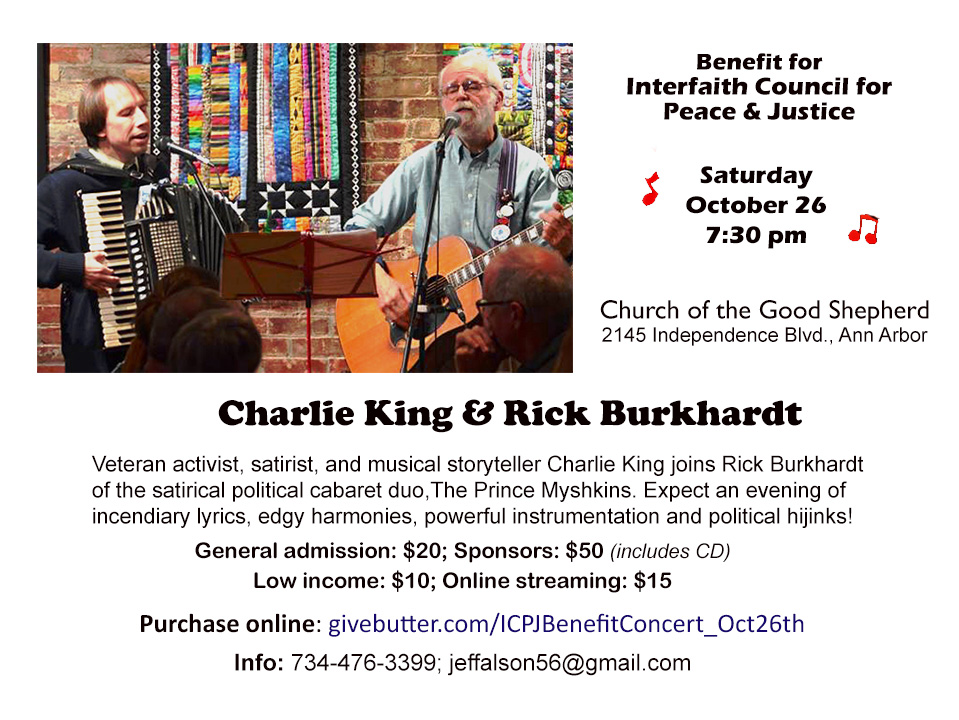
Trying to keep your sanity in this season of political chaos? Join us for an evening of edgy harmonies, incendiary lyrics, and theatrical hijinks with Charlie King and Rick Burkhardt in a benefit concert for the Interfaith Council for Peace and Justice on Saturday, October 26, at 7:30 pm, at the Church of the Good Shepherd, 2145 Independence in Ann Arbor.
Charlie King is a long-time local favorite who first performed in Ann Arbor in 1979. He is a nationally known musical storyteller, satirist, and activist who passionately chronicles the extraordinary lives of ordinary people. Pete Seeger hailed him as “One of the finest singers and songwriters of our time.” Charlie has won the War Resisters League’s 1998 Peacemaker Award; the 1999 Sacco-Vanzetti Social Justice Award for which he was nominated by Pete Seeger; the 2014 Joe Hill Award, a lifetime achievement award for excellence in the field of labor culture; and the 2017 Phil Ochs Award, in recognition of his music and activism for social justice in the spirit of Phil Ochs.
Rick Burkhardt is an Obie-award-winning composer, playwright, and performer who has performed throughout the U.S. and the world. He toured nationally as a singer, songwriter, and accordionist with The Prince Myshkins, a satirical political cabaret duo. His songs have been featured on NPR’s Morning Edition and Pacifica Radio’s Democracy Now. His plays have been produced in several regional theaters. Concert proceeds benefit Ann Arbor’s Interfaith Council for Peace & Justice. Founded in 1965, ICPJ centers racial and economic justice to address the root causes of violence from oppression, poverty, environmental devastation, patriarchy, and war.
Tickets are $20 for general admission, $15 for online streaming, $10 for students and low-income, and $50 for sponsors (includes CD). To purchase tickets, visit givebutter.com/ICPJBenefitConcert_Oct26th or contact the organizers at jeffalson56@gmail.com or 734-476-3399.
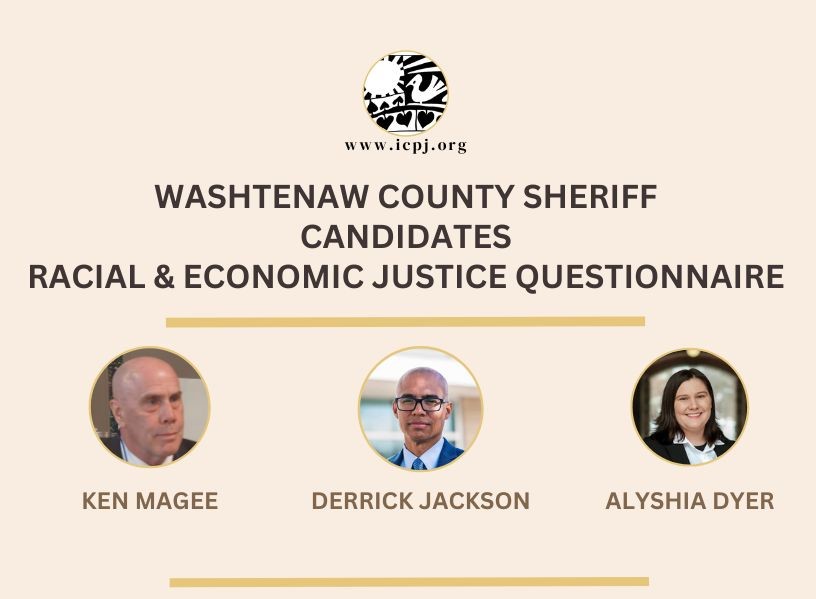
Share 3 words that describe your leadership within the justice movement:
Compassion, Integrity, and Innovation
How do you define racial and economic justice and what would it look like in your office? Racial and Economic Justice are tenants of my campaign and they will take various forms under my administration. Eliminating traffic fines that are largely punitive and disadvantage our marginalized communities is a key policy of mine. In addition, I will look to eliminate racial bias in policing and have a department that is reflective of the community it is serving.
What responsibility does the Sheriff’s Department have in the racial disparities within the criminal legal system and what role will you play in addressing those? I believe the Sheriff’s Department has a large role to play in combatting racial disparities in Washtenaw County. Our deputies are the boots on the ground, the individuals closest to the problem with the most opportunity to usher in change. I will ensure that the deputies are constantly undergoing racial sensitivity training and various other trainings so they are able to understand the nuance that exists in law enforcement interactions. A key way we can try to curb racial disparities is by decriminalizing substance abuse disorders, which historically has been an are where racial disparities are fostered. Individuals with substance abuse disorders should be treated as patients, not criminals.
What do you think it looks like for the community to hold you accountable? You will be criticized, how do you respond to criticism? Being criticized quite frequently is an opportunity to grow. Although I may disagree with some criticisms, it allows me the opportunity to repackage my messages and policies so they may be better understood. Communication is key to good leadership.
Derrick Jackson
Share 3 words that describe your leadership within the justice movement:
Committed, Collaborative, Innovative
How do you define racial and economic justice and what would it look like in your office? Equal opportunity and access regardless of your race or economic status. It looks like a county that is no longer one of the most economically segregated in America. A county where little black and brown kids who grow up poor as I did still have every opportunity to thrive. It’s a Sheriff’s Office that tackles fine and fee justice reform to end the cycle and criminalization of poverty. A Sheriff’s Office which reinvests resources from down-stream punitive measures to up-stream preventative strategies. It’s putting an end to discriminatory policing tactics that show up as over policing and under servicing communities of color. It’s a Sheriff Jackson administrative team which mirrors the diversity of our county, and pushes Washtenaw to once and for all invest in changing the soil within our neighborhoods so we reduce our over reliance on police.
What responsibility does the Sheriff’s Department have in the racial disparities within the criminal legal system and what role will you play in addressing those? No one enters the system without first interacting with law enforcement so we are a primary factor in the racial disparities we see today. Our County has neglected communities of color for too long and our lack of meaningful investment to change the soil is on full display. That does not absolve the Sheriff’s Office of the role we play in contributing to the ongoing disparities through our tactics, policies, and deployment decisions. It does mean we need both systemic neighborhood change and transformational change within the WCSO. I’ve worked tirelessly to change the very foundations of modern day policing for this reason. We’ve worked to change the values, beliefs, training, policies, and culture of the Sheriff’s Office. We invest more than $4.7 million a year for alternatives to traditional policing, and although we’ve made considerable progress, there is much to be done. As Sheriff I will implement a transparency initiative to identify where we are failing, create a public data warehouse and scorecard, invest more in the diversion/deflection infrastructure, reduce our over reliance on policing for those things that can be handled through community-based responses, and lead our County towards eliminating the mechanisms that perpetuate disparity.
What do you think it looks like for the community to hold you accountable? You will be criticized, how do you respond to criticism? Progress doesn’t come without conflict. Criticism for a leader’s actions are part of the fundamental equation that is always pushing us forward. It is but one mechanism the community has to guide their elected leaders. It’s often what lets you know you are wrong. Someone’s past behavior is the best predictor of their future actions and I have always sought out those who criticize us most to understand what I am missing and I will do the same as Sheriff.
The ultimate accountability is to vote someone out of office but there’s much that can be done between elections. We must have robust community oversight, but after-the-fact oversight means we only act after harm has been caused. We also need upstream oversight that allows us to build the training, policies, and practices that reduce the probability of harm. It looks like community members helping decide who is worthy to wear the badge, assisting with policy decisions, and leading training. It looks like a Community Advisory Council that makes sure I am always listening to community.
Alyshia Dyer
Share 3 words that describe your leadership within the justice movement:
Authentic. Transparent. Courageous.
How do you define racial and economic justice and what would it look like in your office? I advocate for ending traffic stop quotas in Washtenaw County, a practice that contributes to significant racial disparities. I support ending low-level, non-safety-related traffic stops. As Sheriff, I will also end coercive interrogation techniques and end the practice of allowing the police to lie to people during investigations. Additionally, I support policies to protect immigrant communities, including allowing undocumented individuals to obtain driver’s licenses and ensuring our Sheriff’s Office does not collaborate with ICE. I also support restorative justice and implementing a plan to reduce the jail population. I also support creating a Corporate Accountability Crimes Unit in the Sheriff’s Office to tackle corporate economic wrongdoing, including wage theft, fraud, and unfair labor practices. This unit will collaborate with the Economic Justice Unit and conduct fraud prevention workshops to protect all communities. Holding corporations accountable is crucial for public safety, especially regarding workplace harassment and labor violations.
What responsibility does the Sheriff’s Department have in the racial disparities within the criminal legal system and what role will you play in addressing those? The racial disparities in the Washtenaw County Sheriff’s Office are unacceptable. FBI data reveals that Black individuals are arrested for low-level, non-violent offenses at over 11 times the rate of white individuals, placing the county in the 6th percentile for racial disparities in drug arrests. Despite comprising only 12% of the population, Black people account for 66% of arrests per the Sheriff’s Office’s own Data Information Dashboard. Often, police respond to quality-of-life or mental health issues when people outside of law enforcement would be better suited. This leads to over-policing and inefficient use of resources. Unarmed community response programs, independent of law enforcement, have proven effective and provide holistic care. I will allocate funds from the Public Safety and Mental Health Preservation Millage to support these initiatives. I also support policies preventing deputies from stopping people for minor traffic offenses that don’t pose safety risks. Additionally, I oppose deputies enforcing status offenses, absenteeism, or school administrative policies, which contribute to the school-to-prison pipeline and create adversarial relationships between children and police. My focus is on ensuring fair treatment, appropriate resource allocation, and fostering positive community interactions.
What do you think it looks like for the community to hold you accountable? You will be criticized, how do you respond to criticism? The Sheriff’s Office has caused decades of harm to our community. Accountability starts with admitting wrongdoing—we cannot have accountability without reconciliation and honesty. We must then develop actionable plans to reduce the harm caused by our legal system, co-creating policies with our community and centering the experiences of those most impacted. Transparency is also critical. The Sheriff’s Office has hidden a variety of information from the public about its practices, policies, and data. Only a small fraction of its policies are public, and essential information about the jail, such as data on solitary confinement, injuries, and the cancellation of educational classes, is concealed. The office has misled the public about its cooperation with ICE and has caused people to be deported. Financial accountability is also needed; it is unacceptable that they spent mental health millage funds on rifles. Criticism is a gift, and as Sheriff, I will ensure the Sheriff’s Office admits wrongdoing, reconciles for the harm it has caused, and is honest and transparent about its actions.
The Interfaith Council for Peace and Justice (ICPJ) centers racial and economic justice as we address the root causes of violence from oppression, poverty, environmental devastation, patriarchy, and war. We wage love and practice nonviolence in all its forms through education, community organizing, advocacy, and direct action. We unite across our differences and empower leadership in people to create the change we need for a more peaceful and just world.
ICPJ is committed to healing as a diverse community by dismantling systems of violence and building our collective capacity to live our shared values of peace, justice, and ecological sustainability. We believe that relationships that individuals and communities build through learning, mobilizing, organizing, and growing together create the foundation for co-liberation, abundance, and dignity of all life and our planet.
Reconcile bank accounts and prepare financial reports
Ensure compliance with tax filings and regulations
Maintain electronic records for review
Donor Stewardship:
Input donations into Salesforce & GiveButter
Manage donor stewardship efforts
Generate donor communications and statements
Segment donor lists for targeted outreach
Grant Management:
Assist with grant application document preparation
Support grant tracking and reporting
Qualifications:
Proficiency in Quickbooks Online and Salesforce (preferred)
Strong organizational and communication skills
Attention to detail and ability to multitask
Experience in administrative and financial coordination roles
Qualified applicants are aligned with the mission, vision, and practices of ICPJ. ICPJ frequently works with individuals who are impacted by systems of oppression and we emphasize and strive toward a culture of respect, cooperation, and healing.
This is a part-time employment position, up to 20 hours per week, with compensation $20-25/hour. No benefits included at this time.
To Apply:
Please submit your resume and cover letter detailing your relevant experience to Info@ICPJ.org. Applications will be reviewed on a rolling basis until July 8, 2024. Anticipated start date July 29, 2024.
On May 30th from 5:30-7:30 pm, join candidates from local to national races as they share how the elected office they seek interfaces with housing issues, and what they will commit to doing on this issue if elected.
The Voters Organizing Through Engagement (VOTE) Caucus, a program within the Interfaith Council for Peace & Justice (ICPJ) endeavors to embolden our communities with information that can help them better understand the candidates, the role of the desired office, and their views on issues that impact the community directly. We selected housing given the overwhelming need expressed in our network and our belief that every elected official touches this area in some way.
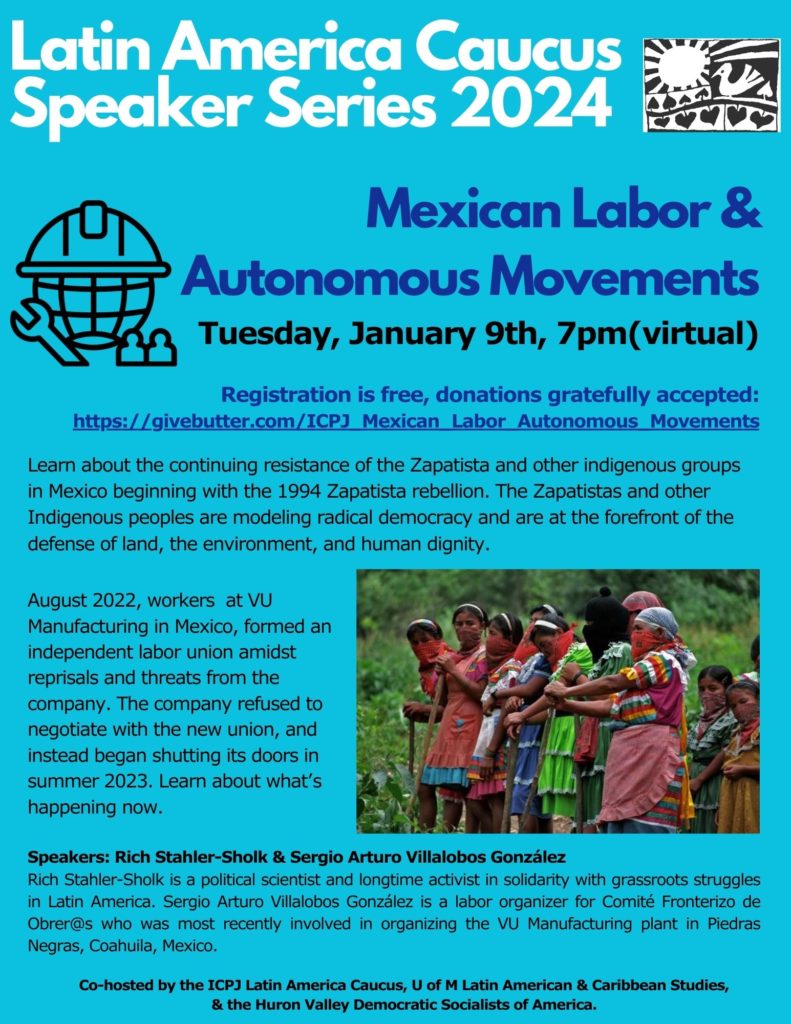
Join us as the Latin America Caucus of ICPJ continues our 2024 Speaker Series with speaker Dr. Alejandro Artiga-Purcell, Assistant Professor in the Communication Studies Department at San José State University.
Alejandro holds a M.A. in Development Studies from the International Institute of Social Studies in the Netherlands, and a Ph.D. in Environmental Studies from the University of California, Santa Cruz.
For over a decade, Alejandro’s research and advocacy work have focused on thesuccesses and limitations of water justice social movements and the social and environmental consequences of extractive development in Central America. He has worked with a variety of non-governmental organizations in El Salvador, Honduras, Chile, Washington D.C., and California on issues spanning US trade policy, water governance, and gold and lithium mining. His work centers environmental justice that embraces diversity and coalition-building with underrepresented and vulnerable populations.
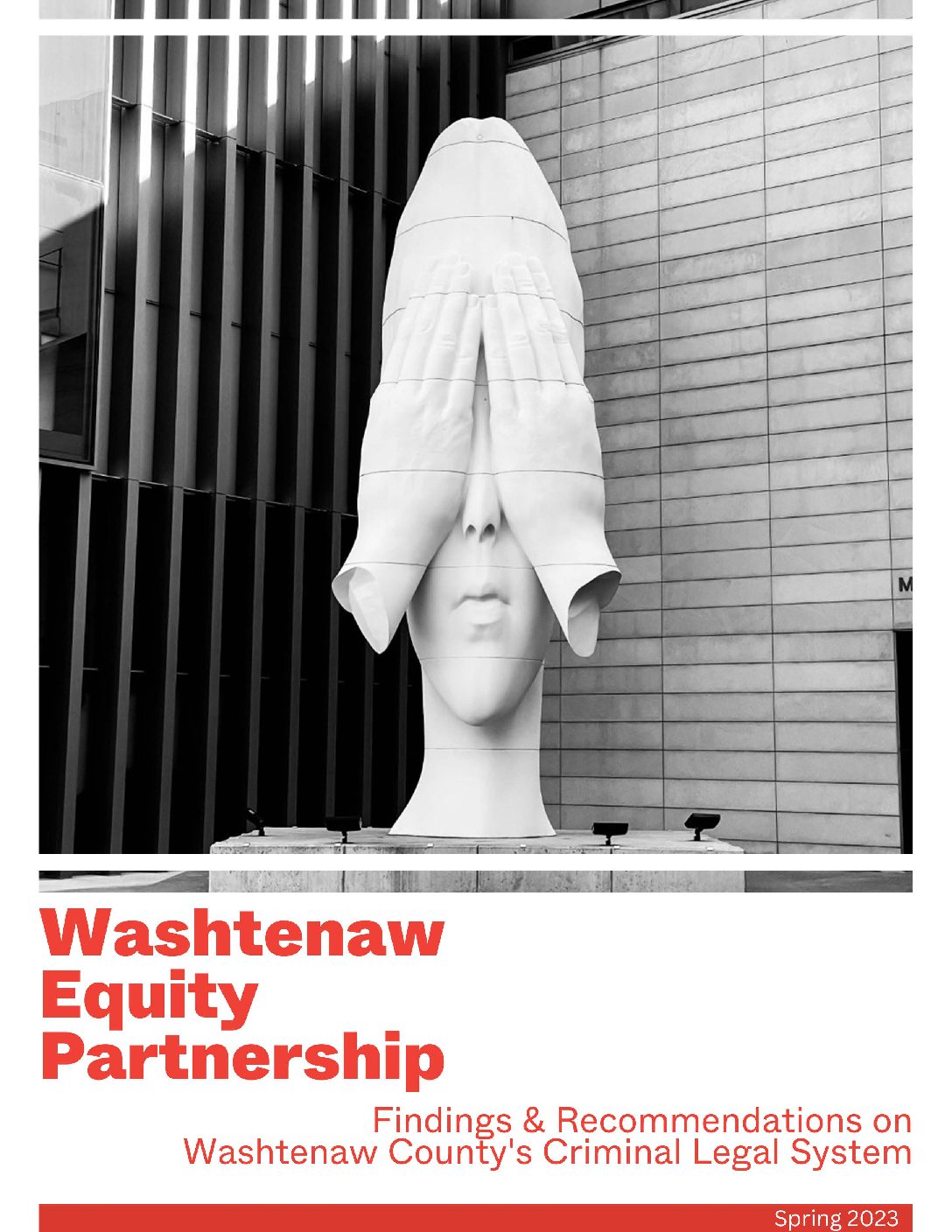
ICPJ hosted an introduction to the report that the Wastenaw Equity Partnership put out last year. You can watch the video here. You can also sign up for an action team to work on one of these campaigns:
Driving Equality Ordinance
Overdose Prevention Center
Unarmed Non-police Response (support for Care-Based Safety)
Join us online as the Latin America Caucus of ICPJ continues our 2024 Speaker Series with speakerJulie Bourdorseau, Center for Gender & Refugee Studies, University of California College of Law.
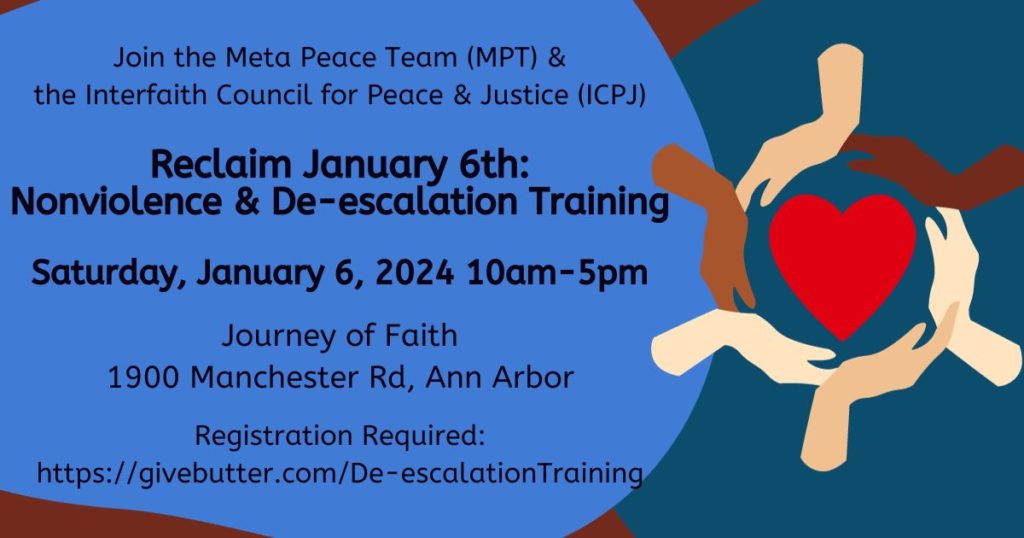
Meta Peace Team (MPT) and the Interfaith Council for Peace & Justice (ICPJ) have co-created this full-day nonviolence & de-escalation training to prepare & organize ourselves to respond to animosity and hatred with non-violence, de-escalation, empathy, and love.
The training is a proactive response to increasing threats and violence against Black, Brown, Indigenous, Jewish, Arab, Muslim, Palestinian, and queer communities, especially since the January 6th attack, with a recognition of the potential for further escalation as elections approach.
Who should attend this training?
Those Interested in Joining Peace-keeping Teams: Participants who wish to actively engage in peace-keeping efforts in response to rising threats and violence.
Individuals Wanting to Deepen De-escalation Skills: Those who are uncertain about joining peace-keeping teams but are interested in enhancing their skills to de-escalate animosity and violence, both within communities and during protests.
Experienced Activists Seeking to Connect with Others: Individuals who have previous experience in nonviolence and de-escalation but are looking to refresh their skills, connect with new activists, and re-activate their commitment to peace efforts.
What to expect?
We will provide materials ahead of the training and help you prepare with readings and reflection prompts.
Guidance to ground ourselves, reflect upon and understand our own emotional and physical being, needs, and capacities.
Discussion of power and bias in relation to offering community support and in our work to build trusting teams.
Skill-building will include nonviolent communication, de-escalation techniques, and empathy-building strategies.
We will offer practice space to experiment with and reinforce learnings.
This training is also geared toward building our community and trust with one another so that we can strengthen the network of peace-keepers.
Supporting others through de-escalation requires an open-heart and willingness to cultivate compassion, understanding, and empathy. De-escalation work involves recognizing and addressing our own inner challenges, personal histories and traumas, personal biases, emotions, and reaction patterns.
We seek to create a brave space, where participants feel encouraged to step out of their comfort zones, share openly, and engage in challenging conversations. A space that acknowledges discomfort but encourages personal and collective growth.
What is the cost for this training? The training is free. We try to make our offerings free and accessible to all. We always accept donations, which will be shared between ICPJ and MPT.
Will there be child care? Please contact Eleanore@ICPJ.org if you would require child care to attend this training.
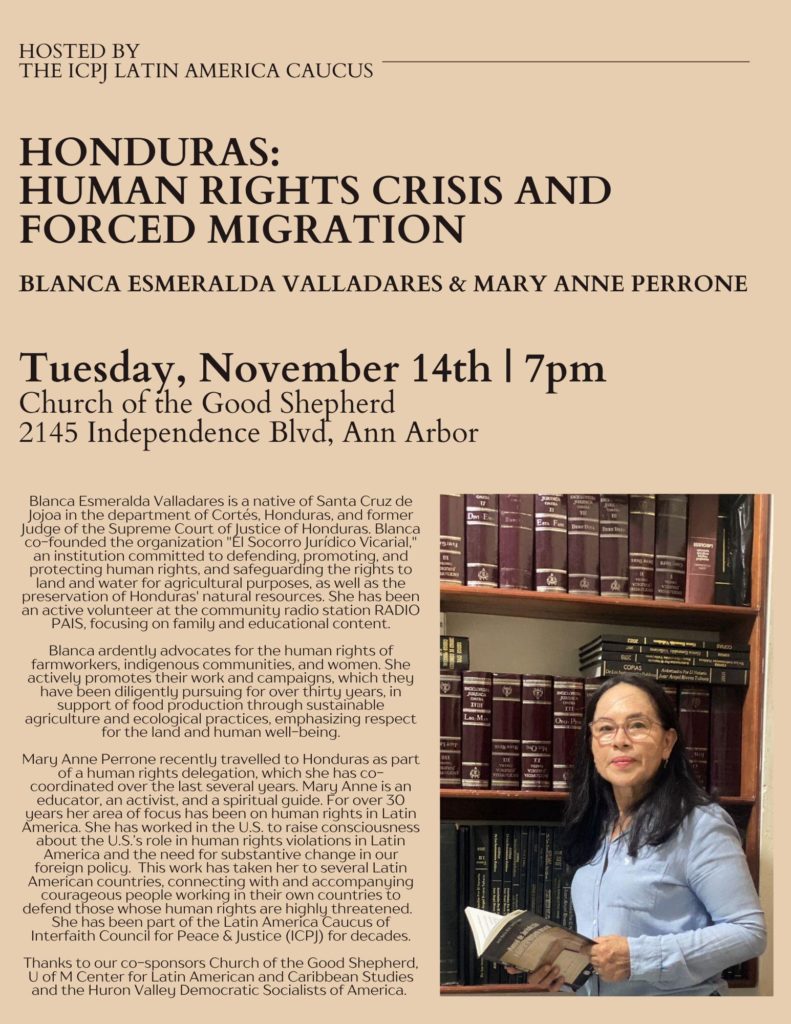
Blanca Esmeralda Valladares is a native of Santa Cruz de Jojoa in the department of Cortés, Honduras, and former Judge of the Supreme Court of Justice of Honduras. Blanca co-founded the organization “El Socorro Jurídico Vicarial,” an institution committed to defending, promoting, and protecting human rights, and safeguarding the rights to land and water for agricultural purposes, as well as the preservation of Honduras’ natural resources. She has been an active volunteer at the community radio station RADIO PAIS, focusing on family and educational content.
Blanca ardently advocates for the human rights of farmworkers, indigenous communities, and women. She actively promotes their work and campaigns, which they have been diligently pursuing for over thirty years, in support of food production through sustainable agriculture and ecological practices, emphasizing respect for the land and human well-being.
Mary Anne Perrone recently travelled to Honduras as part of a human rights delegation, which she has co-coordinated over the last several years. Mary Anne is an educator, an activist, and a spiritual guide. For over 30 years her area of focus has been on human rights in Latin America. She has worked in the U.S. to raise consciousness about the U.S.’s role in human rights violations in Latin America and the need for substantive change in our foreign policy. This work has taken her to several Latin American countries, connecting with and accompanying courageous people working in their own countries to defend those whose human rights are highly threatened. She has been part of the Latin America Caucus of Interfaith Council for Peace & Justice (ICPJ) for decades.
Thanks to our co-sponsors Church of the Good Shepherd, U of M Center for Latin American and Caribbean Studies and the Huron Valley Democratic Socialists of America
So many of us feel heart-sick, filled with rage, anxious, tense, hopeless. It’s important to acknowledge that our reactions are normal, even healthy. We are human and the real problem is when we are numb to terror, oppression, and violence.
Instead of being paralyzed by the news, ignoring the pain, or retreating ~ we need to gather together, support one another, reflect on our spiritual beliefs and values, and act with intention to build love around us and to end all violence.
As we mourn the loss of Israeli and Palestinian lives and also oppose the ongoing occupation of Palestine, ICPJ is planning a community gathering to reflect, pray, and work for peace and justice in the Middle East. Please hold the evening of Saturday Nov. 4 to gather. Contact Info@ICPJ.org if you would like to join us to organize the local gathering.
Right now, we urgently call you to action.
We condemn the brutal Hamas attacks and taking of hostages and continued violence against those held hostage.
We mourn the loss of Israeli and Palestinian lives.
We oppose the Israeli government’s ongoing, devastating destruction and blockade in Gaza, and its decades of dehumanizing apartheid policies.
As people of conscience we call for an immediate ceasefire and disinvestment of the US in military aid to the Israeli government. Revenge in Gaza is not defense and will not contribute to Israeli civilian safety nor to the release of hostages. Rather, it will escalate the cycle of violence and loss of life, weaponizing grief into the murder of more civilians.
Peace and justice begin with safety for all.
No genocide funded in our name, with our taxes.
Please contact your members of Congress and ask them to support the Ceasefire Now resolution in Congress and disinvestment in Israeli military aid. (A copy of the resolution can be found here.)
Senator Debbie Stabenow (MI) Detroit office phone: (313) 961-4330 Washington DC office phone: (202) 224-4822 Send email via: https://www.stabenow.senate.gov/contact
Representative Debbie Dingell (MI-6th District) Ann Arbor office phone: (734) 481-1100 Washington DC office phone: (202) 225-4071 Send email via: https://debbiedingell.house.gov/contact/ (Dingell’s district includes most of Washtenaw County and significant parts of Monroe, Oakland, and Wayne Counties. To find out if you live in the 6th District, enter your zip code here.)
Additional information from the American Friends Services Committee here.