So many of us feel heart-sick, filled with rage, anxious, tense, hopeless. It’s important to acknowledge that our reactions are normal, even healthy. We are human and the real problem is when we are numb to terror, oppression, and violence.
Instead of being paralyzed by the news, ignoring the pain, or retreating ~ we need to gather together, support one another, reflect on our spiritual beliefs and values, and act with intention to build love around us and to end all violence.
As we mourn the loss of Israeli and Palestinian lives and also oppose the ongoing occupation of Palestine, ICPJ is planning a community gathering to reflect, pray, and work for peace and justice in the Middle East. Please hold the evening of Saturday Nov. 4 to gather. Contact Info@ICPJ.org if you would like to join us to organize the local gathering.
Right now, we urgently call you to action.
We condemn the brutal Hamas attacks and taking of hostages and continued violence against those held hostage.
We mourn the loss of Israeli and Palestinian lives.
We oppose the Israeli government’s ongoing, devastating destruction and blockade in Gaza, and its decades of dehumanizing apartheid policies.
As people of conscience we call for an immediate ceasefire and disinvestment of the US in military aid to the Israeli government. Revenge in Gaza is not defense and will not contribute to Israeli civilian safety nor to the release of hostages. Rather, it will escalate the cycle of violence and loss of life, weaponizing grief into the murder of more civilians.
Peace and justice begin with safety for all.
No genocide funded in our name, with our taxes.
Please contact your members of Congress and ask them to support the Ceasefire Now resolution in Congress and disinvestment in Israeli military aid. (A copy of the resolution can be found here.)
Senator Debbie Stabenow (MI) Detroit office phone: (313) 961-4330 Washington DC office phone: (202) 224-4822 Send email via: https://www.stabenow.senate.gov/contact
Representative Debbie Dingell (MI-6th District) Ann Arbor office phone: (734) 481-1100 Washington DC office phone: (202) 225-4071 Send email via: https://debbiedingell.house.gov/contact/ (Dingell’s district includes most of Washtenaw County and significant parts of Monroe, Oakland, and Wayne Counties. To find out if you live in the 6th District, enter your zip code here.)
Additional information from the American Friends Services Committee here.
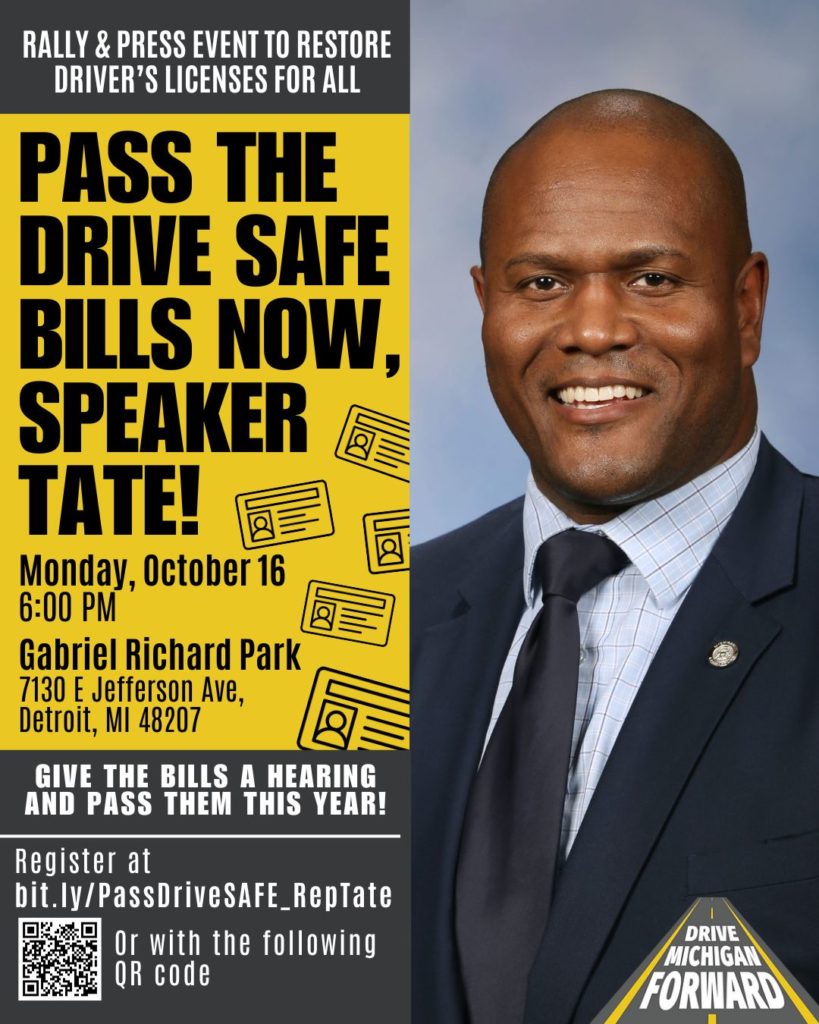
Let’s WIN BACK driver’s licenses for all THIS year!
Join the Drive Michigan Forward coalition this on October 16 to demand that House Speaker Joe Tate call for a hearing on the Drive SAFE bills now.
This popular legislation would restore Michigan’s former 2008 policy, which provided driver’s licenses to all residents of Michigan, regardless of their background, so long as the technical requirements were met.
The bills enjoy widespread support from various segments of society, including:
Law enforcement agencies,
Labor unions, business & faith leaders,
and multiple municipal governments that have passed resolutions in support of this legislation.
Join ICPJ for a series on Structural Racism by Ayo Magwood and Uprooting Inequity. In the final session, ICPJ Co-Directors Desiraé Simmons and Eleanore Ablan-Owen will host a reflection and action-planning conversation. Join us for all of the virtual sessions, or join the ones that you are able. Registration will allow you access to the materials that are shared.
This series will be led by Ayo Magwood, an educational consultant specializing in ideologically-neutral, evidence-based, and solution-oriented education on historical and structural racism, Asian and Latinx racialization, and interracial conflict and cooperation. She will host a 3-part series with ICPJ that will focus on The Origins of Race and Racism (Colonial Era), Structural Racism: Historical Roots and Contemporary Expressions, and Remediating Structural Racism. The final session of this series will have ICPJ Co-Directors Desiraé Simmons and Eleanore Ablan-Owen host a reflection and action-planning. Please register ahead of time because it will allow you access to the materials that are shared.
This series is free. For those able to contribute financially, please do so through the registration site.
The Origins of Race and Racism (Colonial Era) Session 1: Thursday, September 14th, 5:30-7:30pm
Why did we invent races and institutionalize racism? Why do societies invent races and castes? We will go back in history and learn about race relations and slavery during the early colonial American period, before we invented race and racism. Through primary historical sources, we will trace the social construction of the Black and White “races” and the transition from a class- to a race-based society. Anti-black racism was institutionalized through laws, religion and pseudoscience, in order to rationalize the enslavement of humans (economic interests) in a society that professed belief in Enlightenment values of freedom, equality, and liberty. Then, we will “zoom out” and reflect on why societies in general invent races. Races are castes: socially-constructed categories of people with hierarchically ranked status and differential access to power, resources, and opportunity. Dominant groups create narratives about inferior, subhuman castes in order to legitimize slavery, colonization, or genocide.
Structural Racism: Historical Roots and Contemporary Expressions Session 2: Thursday, September 28th, 5:30-7:30pm
What is structural racism? What are the historical roots of contemporary structural racism? First, I provide data on contemporary racial disparities and segregation. Then, I introduce the concept of structural racism using several metaphors, and explain how it differs from individual bias. Next, I demonstrate how structural racism is rooted in the persistent legacies of the accumulated gains of historical discrimination: residential segregation and the racial wealth gap. The contemporary racial wealth gap is rooted in decades of white-only public investment including FHA/VA-backed mortgages and the G.I. Bill. Contemporary residential segregation is rooted in racial zoning, restrictive covenants, redlining, and (nominally-economic) exclusionary zoning. Thus, even eliminating all interpersonal racism would not have much of an impact on structural racism. Finally, I explain how contemporary structural racism is rooted in the enduring legacies of this historical discrimination.
Remediating Structural Racism Session 3: Thursday, October 12th, 5:30-7:30pm
How do we remediate structural racism? How do we foster the cross-racial and cross-ideological solidarity needed to do so? First, I review my description of structural racism from my previous seminars. Next, I introduce some guiding principles to guide as we strive to remediate structural racism. Then, I describe some social psychology principles for fostering interracial cooperation. Our evolutionary tendency to compete with outgroup members is too strong to suppress through bias training, but we can shift this tendency by 1. getting the “us” and “them” to see themselves as the same ingroup, 2. accommodating for subgroup power differences by 3. learning about each other’s histories. Finally, I describe some specific strategies for a) designing government policies for remediating structural racism, b) implementing institutional practices to reduce the impact of biased behavior (vs. thoughts), and c) reducing individual opportunity hoarding.
Organizing to Disrupt and Uproot Structural Racism Session 4: Thursday, October 26th, 5:30-7:30pm In the final session, ICPJ Co-Directors Desiraé Simmons and Eleanore Ablan-Owen will host a reflection and action-planning conversation.
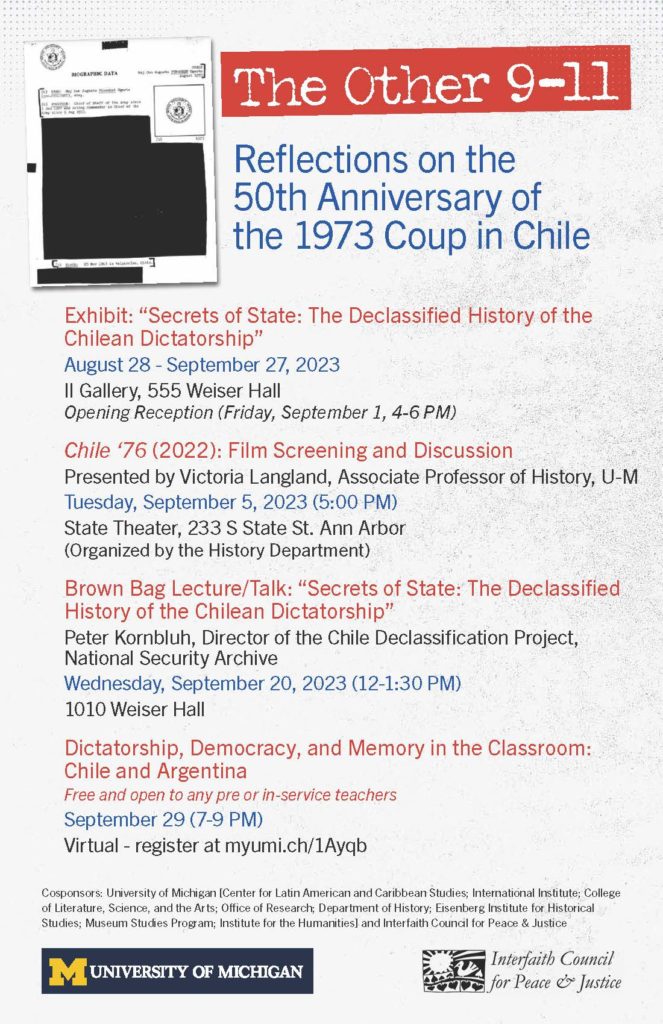
September 11th, offers a time for us to more deeply understand the history and impacts of this attack on democracy and the ways that the people have fought for justice.1973 Coup in Chile
Exhibit: “Secrets of State: The Declassified History of the Chilean Dictatorship”August 28 – September 27, 2023 II Gallery, 555 Weiser HallOpening Reception (Friday, September 1, 4-6 PM)
Chile ‘76 (2022): Film Screening and Discussion Presented by Victoria Langland, Associate Professor of History, U-M Tuesday, September 5, 2023 (5:00 PM) State Theater, 233 S State St. Ann Arbor (Organized by the History Department)
“Secrets of State: The Declassified History of the Chilean Dictatorship” Peter Kornbluh, Director of the Chile Declassification Project, National Security Archive Wednesday, September 20, 2023 (12-1:30 PM) 1010 Weiser Hall
These events are sponsored by: University of Michigan (Center for Latin American and Caribbean Studies; International Institute; College of Literature, Science, and the Arts; Office of Research; Department of History; Eisenberg Institute for Historical Studies; Museum Studies Program; Institute for the Humanities) and Interfaith Council for Peace & Justice
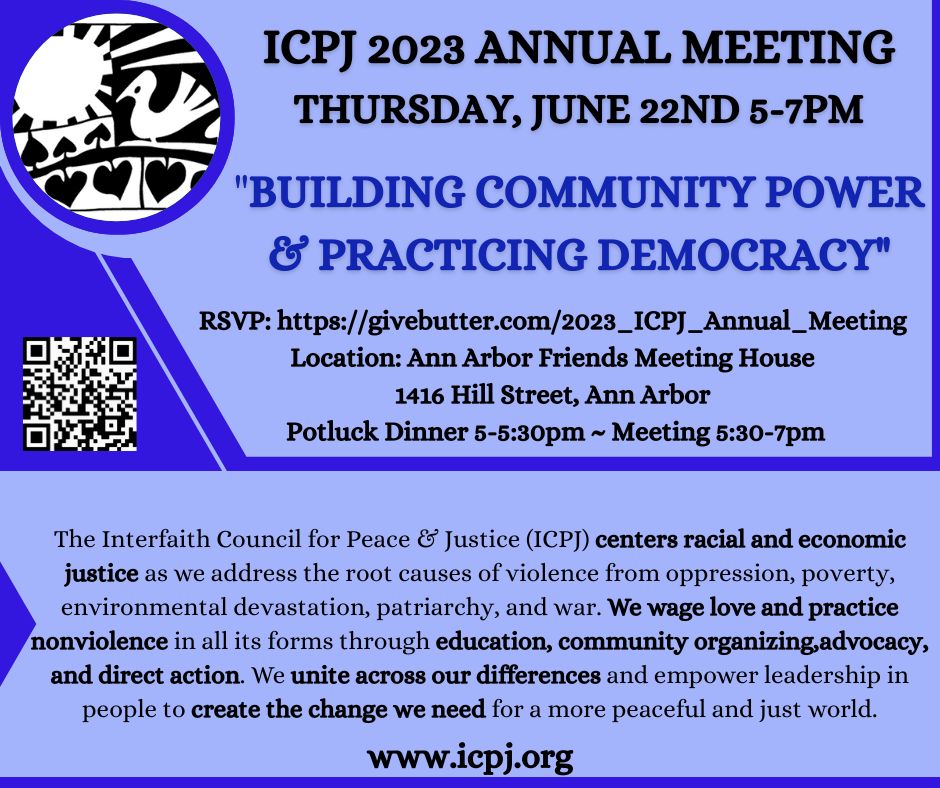
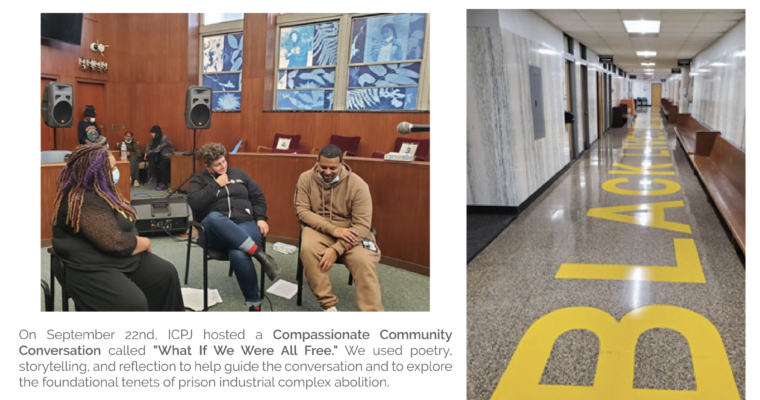
The next 18 months is critical for the future of democracy. ICPJ is building our collective capacity to organize for safe, accessible, transparent, and just elections and democratic processes. We are creating space for Compassionate Community Conversations — spaces where folks are supported to listen with compassion and to build understanding and empathy across differences. We are organizing to protect historically marginalized communities’ access to voting and community decision-making processes. And we’re partnering with others to provide educational information — including candidate forums that center racial and economic justice.
At the 2023 ICPJ Annual Meeting, we’ll share information and dive deeper into the ways that we can support one another’s efforts to “Build Community Power & Practice Democracy”. Join us for the organizingconversations!
Most of the University community doesn’t know that GSIs are paid only $24,053 a year. We’re asking you to circulate the letter (https://bit.ly/SupportGEO) among your departments, coworkers, classmates, and unions. ICPJ has signed the letter to support UM Grad Workers, the below is a March 13th update from the Graduate Employee Organization (GEO).
Dear GEO Allies,
In a disappointing about-face, Academic Human Resources took a step backward in negotiations last Friday. After promising discussions on topics including trans healthcare and union rights at our bargaining session on Feb. 24, HR reverted to language GEO members expressed was unacceptable. They also packaged proposals where we were close to an agreement with those where we remain far apart, making the proposals dead on arrival. In an escalatory move, AHR also called for a state mediator to return to negotiations at our next bargaining session.
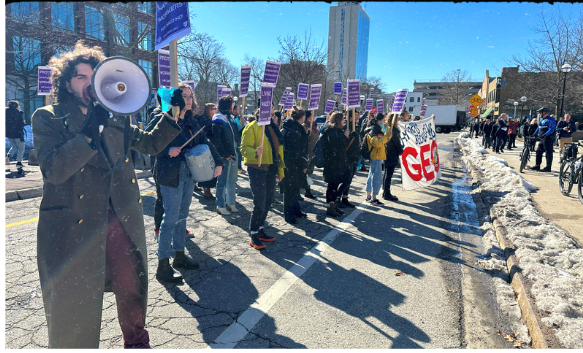
After months of bargaining, grad workers want to finish our contract – and yet it feels like we’ve never been further apart. How are we supposed to negotiate when the University won’t even consider our proposals? Grads are fed up. On Tuesday, March 7, 100+ grads and supporters picketed President Ono’s inauguration to draw attention to the University’s rejection of our proposals.
Next up: the possibility of a strike. To date, organizers have collected close to 1,500 strike pledges. GEO members will meet next week to decide on a strike authorization vote. Should a strike authorization vote pass, GEO leadership will be empowered to call a strike if the University fails to meet grad workers’ needs – most importantly, a living wage for all grad workers.
Here’s what we need allies to do:
Instructors/Staff: In the event of a strike, we ask that you do not pick up GSI/GSSA instruction, office hours, mentoring, committee work, or grading. All faculty, staff, GSRAs, grads on fellowship, and IAs are asked to sign: https://bit.ly/GEOHoldTheLine
Undergraduates: Attend the upcoming Undergrad Labor Solidarity meeting, Thursday, March 16 at 6 PM, 1511 East Quad (701 E. University Ave): http://bit.ly/undergrad_solidarity
Everyone! Sign and share our open letter: https://bit.ly/SupportGEO. To date, over 700 individual supporters have signed and more than a dozen organizations have endorsed. Add your name and share widely!
Mark your calendars! Important Solidarity Events
March 20: GEO Solidarity Meeting, 6 PM, meeting at the School of Social Work. Our next allies meeting will take place in person. We will be planning solidarity pickets, strike fundraising, and more. Message spacchair@geo3550.org if you can attend!
March 21: Attend the U-M Community Strike Town Hall, 12-1, Zoom to hear about campaign developments, next steps, and solidarity asks: https://bit.ly/UMStrikeTownHall
March 23: Living Wage Now! Pack the Regents Meeting, 4-6 PM, Ruthven. GEO and allies will attend the Regents Meeting to #ShowUp for a living wage. RSVP at https://bit.ly/RegentsMeeting. All out! Wear purple!
Followed by the Undergrad Labor Solidarity meeting at 6 PM at 1511 East Quad (701 E. University Ave).
March 24: Show Up for Open Bargaining, 9 AM – 5 PM, at Palmer Commons/Zoom. All friends of GEO are invited to observe open bargaining between Human Resources and GEO Bargaining Team. This could be the last session before a possible strike, so it promises to be spicy! https://bi.tly/bargsesh_allies
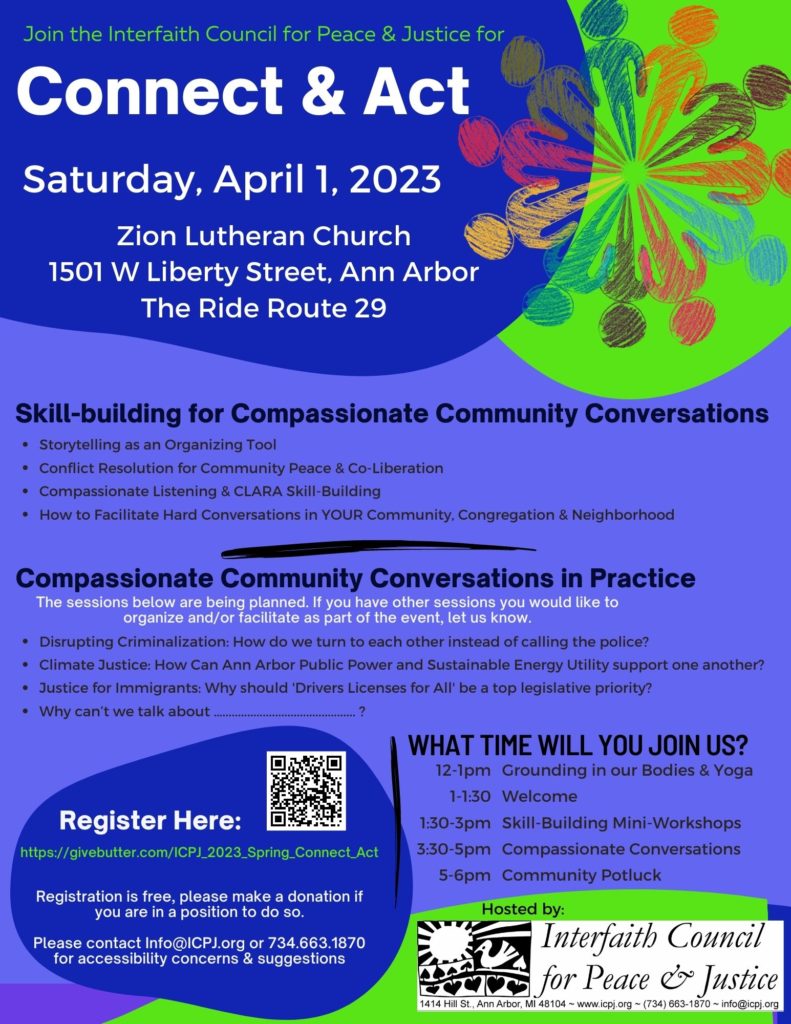
2023 Spring Connect & Act will start with a session at noon to ground ourselves in our bodies and connect with our intention to build toward non-violence. After a brief welcome, we’ll move into skill-building sessions on: compassionate listening, conflict resolution, storytelling as an organizing tool, and basic facilitation skills and tools for difficult conversations. After these introductory skill-building sessions, community members will have the opportunity to join discussions and intentionally practice using tools to listen, respond, and act with empathy, understanding, and an open heart.
We hope participants will use these skills for future Compassionate Community Conversations across Washtenaw County and beyond. ICPJ will support local congregations, neighborhood groups, and others with additional trainings and capacity-building support to organize, host, or facilitate future conversations.
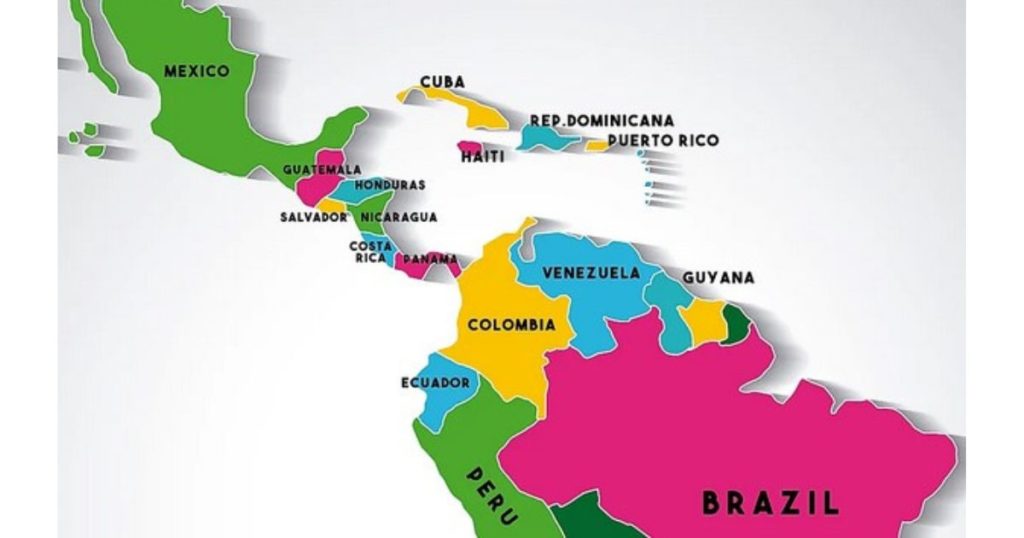
This series is hosted by the ICPJ Latin America Caucus and the Huron Valley Democratic Socialists of America, and U-M Latin American & Caribbean Studies (LACS).
Registration is free and open to all, donations welcome. More information and links to register can be found here:
This series is hosted by the ICPJ Latin America Caucus and the Huron Valley Democratic Socialists of America, and U-M Latin American & Caribbean Studies (LACS).
Registration is free and open to all, donations welcome. Please note: unlike previous years, this year, there is a different link for each event to register. Contact Info@ICPJ.org if you have questions.
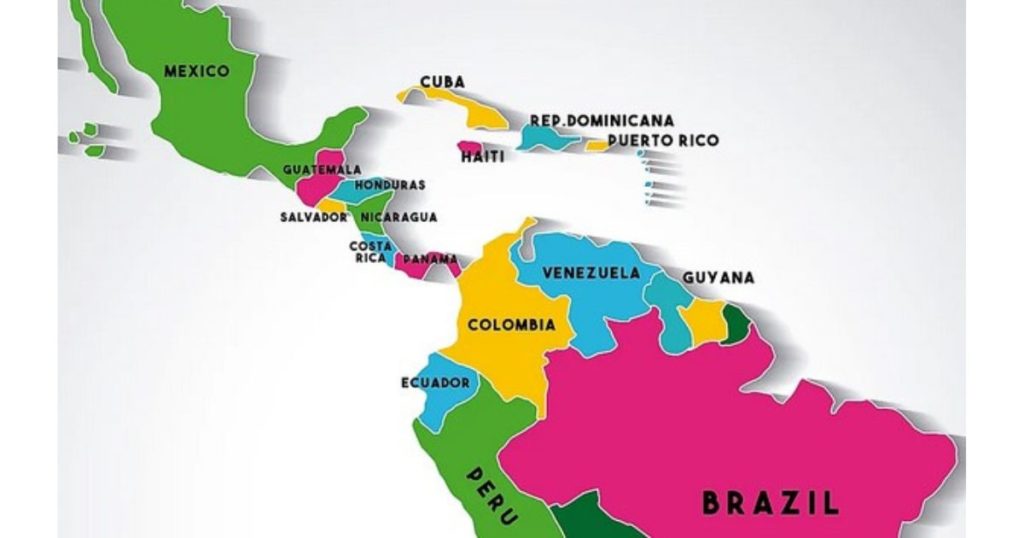
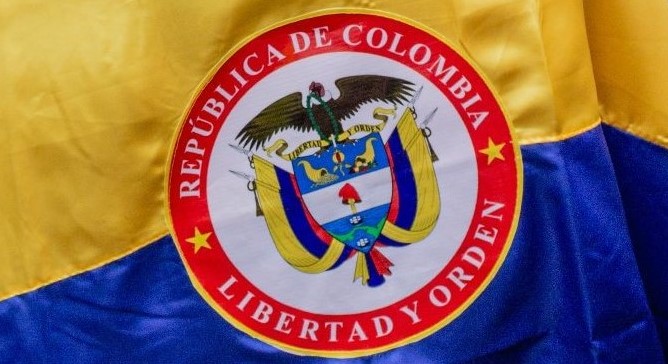
Colombia At A Glance: Challenges And Opportunities Tuesday, January 10th 7-9pm
Martha Inés Romero, current Secretary General of the global peace movement Pax Christi International, will speak about Colombia’s historic 2016 peace accord (the implementation process and prospects since the 2022 presidential election); comprehensive peace and what it implies; and challenges for civil society organizations and social movements.
Martha Inés, a Colombian social development professional, has over three decades of experience in the accompaniment of community processes in design, implementation, monitoring and evaluation of development projects, humanitarian relief and peacebuilding and reconciliation processes. With studies and experience in peace building and conflict transformation, based on theory of change and non-violence, she has worked extensively in Latin America and the Caribbean and more in-depth in Colombia, with focus on the internal conflict and its impact on vulnerable communities such as Indigenous and Afro-descendants, as well as the impact on women and gender-based violence. For the past 31 years, as a representative of international agencies as well as peace practitioner, Martha-Inés has been dedicated to promoting nonviolence programs with a focus on grassroots communities and a gender-equality rights approach.
Venezuela’s Journey from Hope to Heartbreak: An Inside Unfinished Tale Wednesday, February 15th 7-9pm
Lisa Sullivan, former Maryknoll lay missioner and SOA Watch activist, will speak on the issues facing the Venezuelan People, sharing her experience of living and working under the current regime. She will cover the economic, political and human rights concerns, as well as the unprecedented migration from the country. Venezuela, under the leadership of Hugo Chávez from 1999 to 2013 and Nicolás Maduro since then, has experienced acute political polarization and economic crisis aggravated by U.S. sanctions.
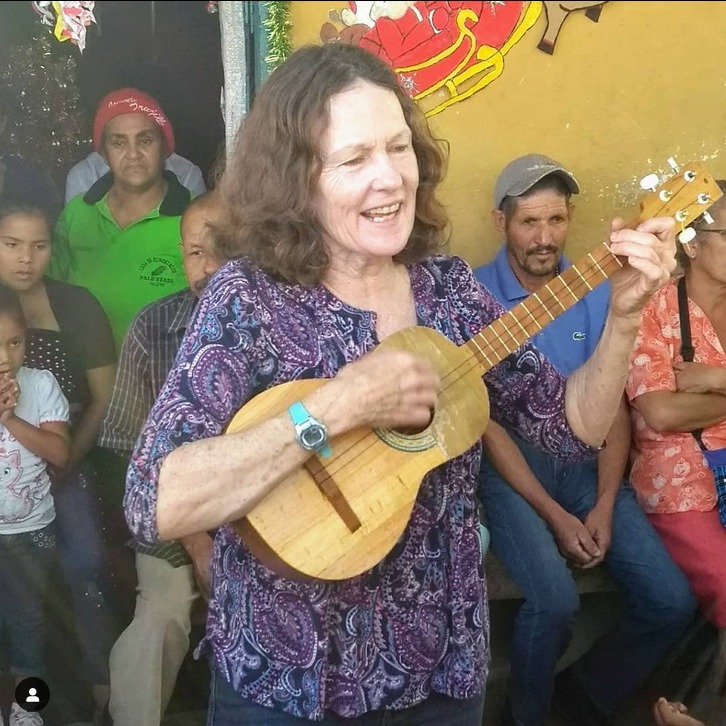
Lisa lived in Venezuela for 37 years, returning to the US a few months ago. She served as a Maryknoll lay missioner for 21 years, then as coordinator of the School of the Americas Watch Latin America Project, organizing citizen diplomacy delegations to 18 countries. She raised her three children in the western barrios of Barquisimeto where they were surrounded by a loving community and vibrant social movement. She and her partner Ledys Navas founded the Centro Cultural San Juan, where for 20 years they taught children to play the traditional Venezuelan instruments of cuatro and tambor. They established Conuco Colibrí, a permaculture teaching farm and retreat center in the Andes mountains. Currently Lisa works with the Maryknoll Office for Global Concerns in Washington, DC as their Climate Justice Coordinator.
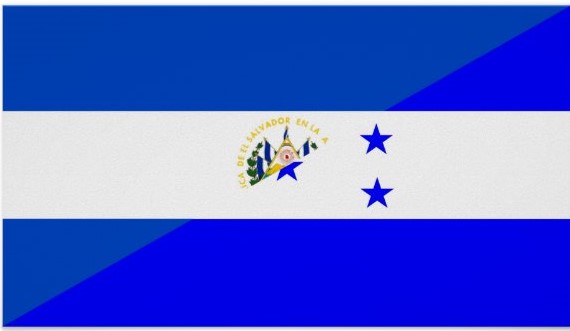
El Salvador & Honduras: Esperanza Y Lucha / Hope And Struggle Wednesday, March 15th 7-9pm
José Artiga will give a presentation on issues in El Salvador and Honduras (same evening), speaking on what’s happening in each country vis-a-vis democracy, social movements, U.S. policies, etc. He recently visited both countries on a human rights delegation in December 2022. El Salvador has been moving in an increasingly authoritarian direction since the 2019 election of Pres. Nayib Bukele, while in Honduras the 2021 election of Pres. Xiomara Castro raised hope for progressive reforms to repair the damage done since the 2009 coup.
José Artiga is the Executive Director of The SHARE FOUNDATION. For nearly 42 years, SHARE has provided material, political, and moral support to the people of El Salvador and developed enduring sister-relationships between faith, civic, labor and community organizations with El Salvador and the United States, and more recently with Honduras.
SHARE has sent over 10,000 U.S. delegates to visit El Salvador and Honduras. José escaped the death squads in El Salvador after the assassination of Monseñor Romero in 1980. A co-founder of the Public Sanctuary movement, he was one of the first refugees in sanctuary. José is a leader of the immigrant rights movement today, analyzing the root causes of migration.
Brazil: A New Cycle of Hope Tuesday, April 18th 7-9pm
Dr. Zeus Moreno Romero, Professor of Social History, Universidade Estadual de Londrina, Brazil, will speak about the challenges facing the incoming administration of Pres. Lula da Silva, including undoing the damage done by the previous president Jair Bolsonaro in terms of indigenous rights, the environment, and democracy.
Dr. Romero participates in research groups on Indigenous and Afro-American Cultures at the University of Barcelona, and on Cooperativism, Rural Development, and Solidarity Enterprises in the European Union and Latin America at the University of Alicante, Spain. He works as an external collaborator with a research group on Contemporary Brazil at the State University of Maringá and as a researcher with the Socio Environmental Geography group at the Federal University of Rodônia, Brazil. He received his Bachelor’s degree in History from the University of Barcelona (2011), and his Master’s (2014) and Doctorate (2020) in History from the State University of Maringá in Brazil (2014). He worked for ten years at the Casa América Catalunya cultural institution in Barcelona where he made several educational documentaries on historical topics. His specialty is in the areas of Indigenous History, History of Africa and of the Americas, focusing mainly on History of Indigenous peoples, the Amazon region, History Education, Afro America, Africa and Latin America.
Mexico: Accountability for Mass Kidnappings & Disappearances Tuesday, May 9th 7-9pm
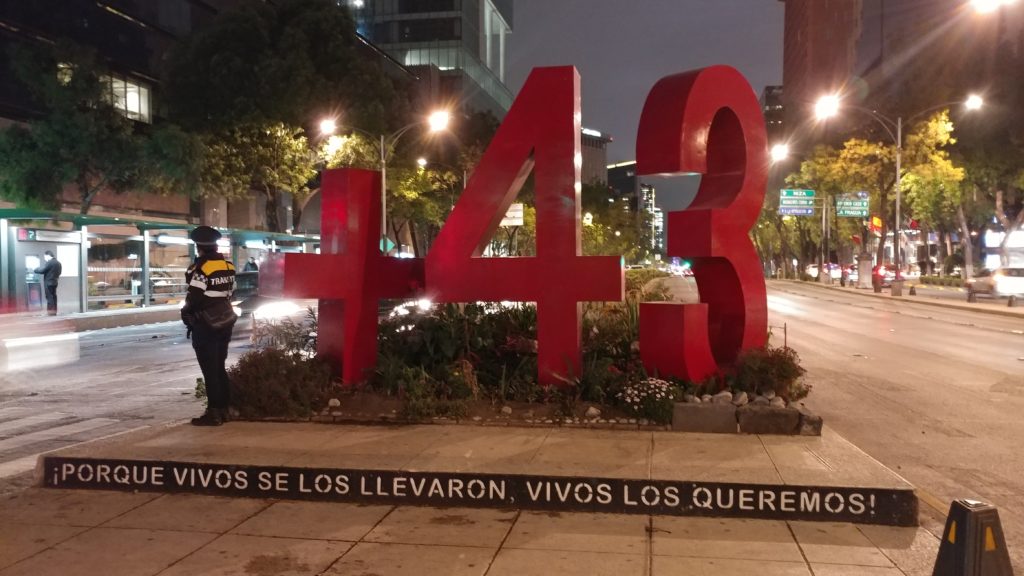
After more than 100 police, soldiers and hitmen collaborated to attack Ayotzinapa students in Iguala, Guerrero, Mexico on the night of Sept. 26-27, 2014–wounding scores, killing 6 people and forcibly disappearing 43 Ayotzinapa students, two successive administrations have done everything in their power–lie, destroy evidence, plant false evidence, torture and kill–to make it impossible to know the full truth about what happened that night, and thus impossible to find the disappeared students. While the cover-up of the Peña Nieto PRI administration (2012-2018) has been exhaustively documented, the reconfigured cover-up of the current López Obrador administration (2018-2024) is still ongoing and more difficult to parse. This is what we will discuss.
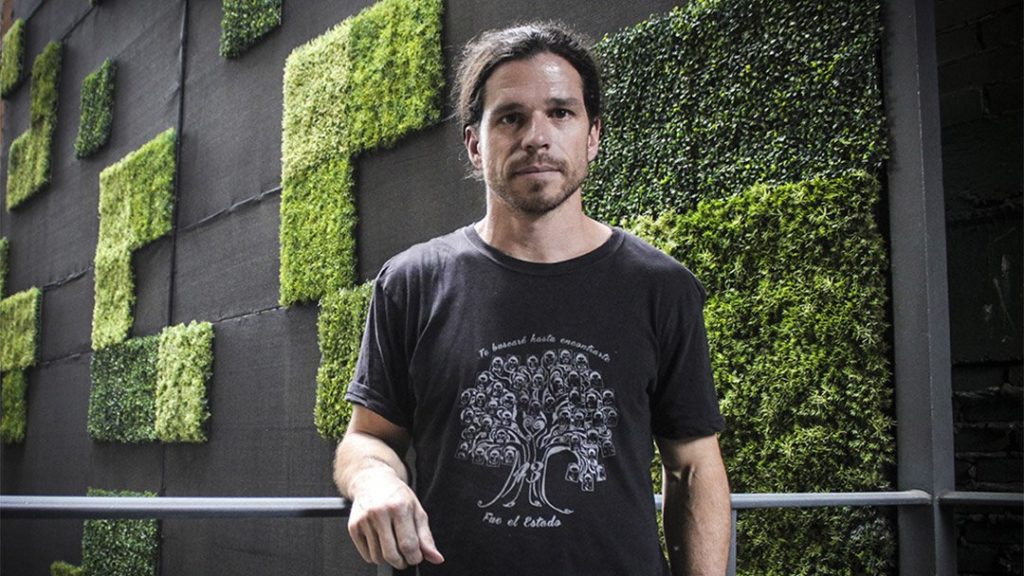
JOHN GIBLER,a journalist, author, and activist who writes eloquently and prolifically about Mexico, will speak on the continued lack of accountability for the mass kidnapping and forced disappearance of the 43 students from the Ayotzinapa teachers’ college. His collection of testimonies from Ayotzinapa students who survived the tragedy of September 26, 2014 – which he published as a book, I Couldn’t Even Imagine That They Would Kill Us: An Oral History of the Attacks Against the Students of Ayotzinapa (City Lights, 2017) became and remains the most definitive account of those terrible events from the young men who lived through them.
John Gibler lives and writes in Mexico. He is the author of Mexico Unconquered: Chronicles of Power and Revolt (City Lights, 2009), To Die in Mexico: Dispatches From Inside the Drug War (City Lights, 2011), 20 poemas para ser leídos en una balacera (Sur+, 2012), I Couldn’t Even Imagine That They Would Kill Us: An Oral History of the Attacks Against the Students of Ayotzinapa (City Lights, 2017), Torn from the World: A Guerrilla’s Escape from a Secret Prison in Mexico (City Lights, 2018), and La tierra de Vallejo: Un diario de viaje (Pepitas de calabaza, 2022).
We’ve been getting ready for the New Year & hoping you have some space and time to think about the ways that you will commit to working with ICPJ toward Peace & Justice in Washtenaw County in 2023. Join us to…
+ Build Community Power & Practice Democracy
+ Build a Culture of Non-Violence in Washtenaw
+ Abolish Criminalization
+ Empower Youth as Cultural & Civic Leaders
+ Organize & Advocate for Housing as a Human Right
2022 has been a busy year! Check out this Impact Report to see what were up to from January through September. You will see updates about how we did direct action, capacity-building, advocacy, community organizing, and education in areas that include Building Community Power and Practicing Democracy, Criminal Legal System, Youth as Cultural and Civic Leaders, Local Climate Actions, and Immigration Justice.
ICPJ includes a large network of activists, volunteers, and community and congregational partners to achieve our goals. We have historically been primarily funded through individual and congregation contributions. Over the last two years, we have significantly diversified our revenue sources, to include a greater percentage of funding from grants, from fee-for-service programs such as workshop facilitation, and through capacity-building support for partner organizations such as strategic planning and leadership and through fiscal sponsorship.
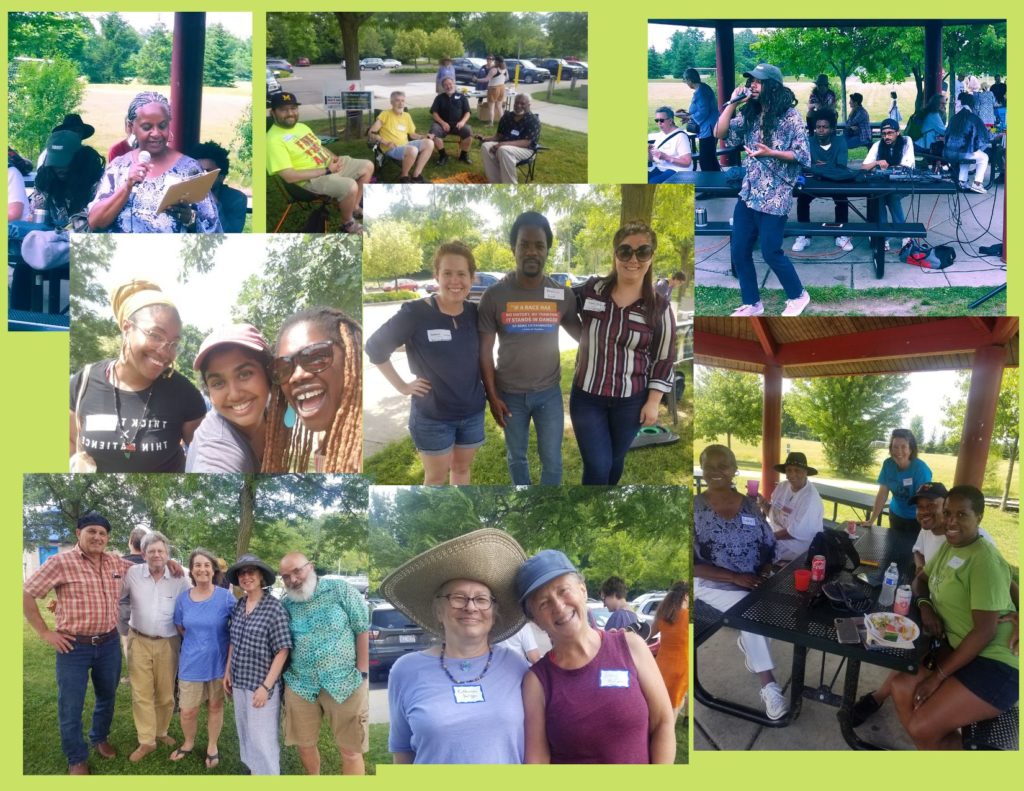
Memories from the 2022 Generations Campaign Launch Party
In the last three years, we have received grants from national funders including the Tides Foundation for our work to support voter rights and to create voter education tools; from the Green New Deal Network for environmental justice organizing and for being a leading partner in the Michigan Alliance for Justice in Climate (MAJIC); from Black Voters Matter to support grassroots organizing in Ypsilanti Township; and from Zoom Cares.
Thank you to our Michigan Funding Partners
In 2022, we have received generous support from the United Way for Southeast Michigan through the Justice Fund and Community Impact Fund.
We have also received generous support from the Unitarian Universalist Congregation of Ann Arbor‘s Share the Collection program and the UUAA’s Jackson Social Justice Fund to support development of the People’s Budget and the community engagement process.
We have also received generous support from the First Presbyterian Church of Ann Arbor‘s Local Mission Grant Program. And we have received generous support from the Green New Deal Network.
We appreciate all of the ways that individuals, organizations, congregations, and granting agencies support our efforts toward racial, economic, and environmental justice.
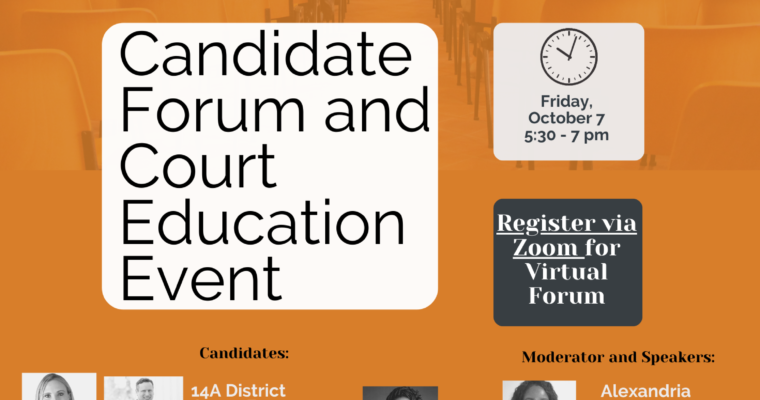
Join the VOTE Caucus and the ICPJ Network as we meet to learn more about the District and Circuit Courts and to hear directly from the local judicial candidates.
Moderated by Alexandria Hughes with Michigan Liberation.
We will have Circuit Court Judge Tim Connors and 14B District Court Judge Erane Washington sharing information about the courts.
14A District Court Judicial Candidates Fawn Armstrong and Karl Barr and 15 District Court Incumbent Judicial Candidate Miriam Perry and 22 Circuit Court Judicial Candidates Marla Linderman Richelew and Arianne Slay have all committed to attending.
The local community is celebrating a new lease on life for Mohamed Soumah, who has been in sanctuary in Ann Arbor Friends Meeting House since October 2018. A deportation order at that time would have been a death sentence for Mohamed, 47, who has been on dialysis three times a week for a kidney condition that could not have been treated effectively in his home country of Guinea in West Africa. Thanks to an outpouring of community support, Mohamed won a stay of deportation in June 2021 under the new administration in Washington, clearing the way for him to get on a kidney transplant list. Last Sunday, September 4, 2022, Mohamed received a new kidney at Michigan Medicine.
Mohamed has been embraced by Washtenaw Congregational Sanctuary, a coalition of fourteen religious congregations and two unaffiliated groups in Washtenaw County that have offered support and protection from unjust and cruel immigration policies. Sabrina Balgamwalla, Mohamed’s attorney and director of the Asylum and Immigration Law Clinic at Wayne State University’s Law School, has been his legal advocate, with student lawyers also participating in his case.
Sheila Johnson, a member of Ann Arbor Friends Meeting, noted that “Mohamed wants to thank Washtenaw Congregational Sanctuary for their support, the donor whose kidney is giving him new life, and all the health care workers, especially the very kind and professional University of Michigan nurses who are caring for him during this time.”
The Rev. Dr. Deborah Dean-Ware, pastor of Church of the Good Shepherd, one of the local sanctuary congregations, visited Mohamed during his hospital recovery, and commented, “The Judeo-Christian tradition was founded by immigrants and refugees, starting with Abraham and Sarah. Jesus himself was a refugee; therefore, our faith teaches us to honor human dignity regardless of nationality or citizenship. Mohamed is a beloved member of our community, and it has been a privilege to walk with him over the last four years. We are thrilled that he has this opportunity for renewed health, and we will continue to support him as he recovers.”
Washtenaw Congregational Sanctuary (WCS), an interfaith coalition formed in early 2017, includes the Washtenaw Interfaith Coalition for Immigrant Rights (WICIR), the Interfaith Council for Peace & Justice (ICPJ), and other faith communities and people of conscience.
WCS represents people who have joined together to offer support and solidarity with immigrants and their families. Washtenaw County congregations that have joined the New Sanctuary Movement include: the Church of the Good Shepherd/United Church of Christ in Ann Arbor, First Unitarian Universalist Congregation of Ann Arbor (UUAA), Ann Arbor Friends Meeting (Quakers), First United Methodist Church in Ann Arbor, the Wesley Foundation, Episcopal Church of the Incarnation, Temple Beth Emeth, Beth Israel Congregation, St. Clare’s Episcopal Church, the Interfaith Center for Spiritual Growth, St. Barnabas Episcopal Church in Chelsea, Vineyard Church, St. Mary Student Parish and First Congregational United Church of Christ in Ypsilanti.
As Mohamed recovers from surgery, WCS will hold a press conference soon.