Register for the (online) event here: https://www.eventbrite.com/e/228024355987. There is no cost for these events, but your donations to ICPJ help us to be able to continue this work of educating and mobilizing in our communities.
Danielle, a member of TheNew Yorker‘s editorial staff, based in New York, lived mostly in El Salvador from 2008 until 2021 and was a freelance investigative, longform reporter. Her work has appeared online in The New Yorker, The New Republic and The Atlantic, among others. She still writesandspeaks as an independent journalist.
Her ongoing projects include a series of investigations intonarco-activity and corruption in Honduras, with Contracorriente, supported by the Fund for Investigative Journalism, Columbia University’s Center for Mexico and Central America, and the Centro Latinoamericano de Investigación Periodística. Another project involves policing, gangs, and non-carceral and tertiary responses to violence in Central America and in U.S. foreign policy. She has conductedyearsofreportingonthis, funded by grants from various journalism foundations. Danielle has worked as an adjunct professor in the journalism department at CUNY Lehman College and on the research team at The Intercept, among other media posts. Before journalism, she was an NGO-worker and horse trainer. She is an alum of the NYU M.A. in Global Journalism and Latin American Studies.
This event is hosted by The Interfaith Council for Peace & Justice Latin America Caucus, the University of Michigan Latin American & Caribbean Studies, Wayne State University Center for Latino/a & Latin American Studies, and Huron Valley DSA
ICPJ works toward non-violence in our communities, knowing that this can only be achieved through genuine racial and economic equity and justice and by uprooting systems of oppression. Many in our communities have fallen into the misconception that we can only achieve peace through the use of guns and force. But we know that this path has only led to disproportionate violence and imprisonment of Black, Brown, and Indigenous people, and further entrenches us into a cycle of violence. Our vision is for communities in which residents work together to heal the harms of past generations and create community-led responses to crises. Knowing that we have the experience and skills, and the compassion and creativity to solve crises in our community without replicating patterns of violence and harm, ICPJ enthusiastically supports the CROS proposal. We are ready to join with other community partners to create new solutions that move our communities closer toward our vision of justice and nonviolence.
Here’s what you can do today to get involved in building an unarmed, non-police response in Ann Arbor:
2. Fill out this form for Ann Arbor ARPA funds to go towards unarmed response! The City of Ann Arbor would like to know which projects Ann Arborites would recommend to be funded using the $24 million of American Rescue Plan Act (ARPA) funding that the city will receive. Fill out the form and vote for unarmed response today!
3. Create your personal endorsement graphic! Follow this link, then click “edit” to open the image studio on your browser. You’ll be to upload a photo of yourself, and add in a quote about why you support unarmed, non-police response in your community. When you’re done editing, click “export” on the top right to download your image and post it!If you prefer to use Canva, click this link here.
Creation your personal endorsement video! Share a 30 second recorded video of either your statement or how you, your family, neighborhood, workplace, etc. would benefit from a non-police response program. Please send your items to the CROS email by Friday COB, February 11.
4. Are you part of an organization? Email CROS to endorse the plan!
6. Follow CROS on Facebook and Instagram and share our pages!
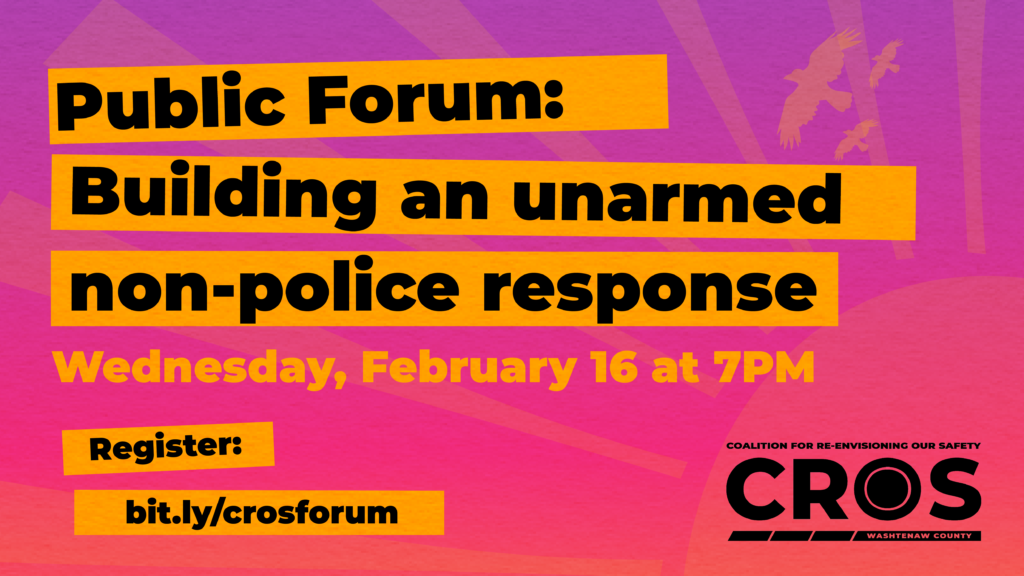
Join the Public Forum on February 16th
Review of the History: The City of Ann Arbor passed a resolution this past April stating that they would develop an Unarmed Public Safety Response Program. CROS formed in response, with the mission to create a program that would truly serve the needs of our community. The CROS plan is the only plan put forward so far (see the detailed CROS memo challenging the narrative put forth by City administration and the Washtenaw County Sheriff Office) and it was made by and for the community based on thorough research from other models across the country as well as in depth conversations with community members and leaders in Washtenaw County. You can find details on the plan, who we are, and links to our social media and petition here.
Why Endorse? This coming March, the city is poised to designate money from ARPA funds to a program for community response. We have just a few more weeks to ensure that this program is created outside of police jurisdiction, funded by the city, and run by the community. We are gathering endorsements from individual community members in order to show the city that there is broad public support for CROS’s plan!
Monday, February 7th 8am-11am (in person) Join ICPJ to send postcards to legislators! Meet us at the Daytime Warming Center First Baptist Church of Ann Arbor, 517 East Washington, Ann Arbor
Monday, February 7th 10am-11am (Online) Join ICPJ to send postcards to legislators! Register via this link.
Wednesday, February 9th 7-7:30pm (Online) Join ICPJ to call legislators! Register via this link.
Visit our webpage for background information, FAQs, and other resources for this campaign.
The ICPJ LAC, U of M Latin American & Caribbean Studies, Wayne State University Center for Latino/a & Latin American Studies & Huron Valley DSA are bringing you important speakers and discussions on-line on select Tuesdays at 7:00 p.m.
There is no cost for these events, but your donations to ICPJ help us to continue educating and mobilizing in our communities.
“U.S. Guns & Militarism in Mexico” Speaker John Lindsay-Poland Tuesday, January 11th, 7pm
John has written about, researched and organized action for human rights and demilitarization of U.S. policy, especially in Latin America, for more than 30 years. He left his studies at Harvard University to participate in international disarmament organizing and to accompany Central Americans threatened with political violence. From 1989 to 2014, he served the interfaith pacifist organization Fellowship of Reconciliation (FOR), as coordinator of the Task Force on Latin America and the Caribbean, and as research director, and founded the FOR Colombia peace team.
His research has focused on the relationship between foreign military assistance and respect for human rights, foreign military bases, and military spending. Recently he has begun developing tools and curriculum for researching militarism on behalf of activist campaigns. He is currently co-director of the California Healing Justice program of the American Friends Service Committee, with a focus on police demilitarization. He coordinates Stop US Arms to Mexico, a project of Global Exchange.
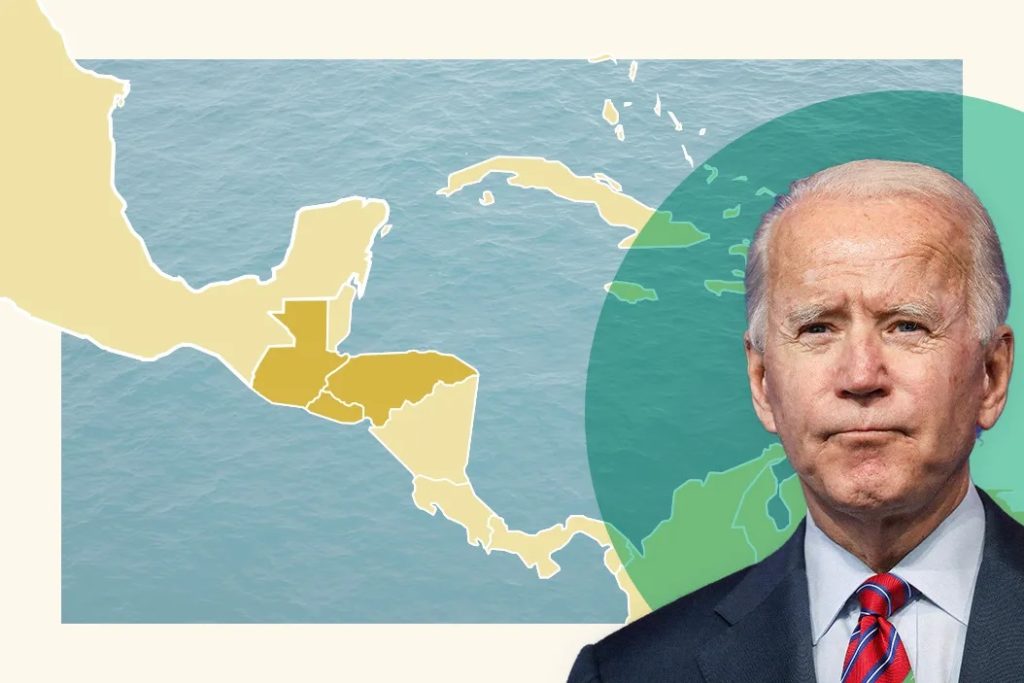
“The Biden Administration’s Approach Toward the Northern Countries of Central America” Speaker: Lisa Haugaard Tuesday, February 8th, 7pm
Lisa is the Co-director of the Latin America Working Group, has led advocacy efforts on human rights issues and U.S. policy towards Latin America for a coalition of human rights, faith, labor and nongovernmental groups for over 20 years. She collaborated with Colombian human rights groups to document, denounce and demand accountability for escalating extrajudicial executions, a collective effort that resulted in a dramatic drop in new abuses and hundreds of cases shifting from military to civilian courts. She has participated in international verification missions on human rights defenders, election monitoring and migrant rights. Lisa has testified before and headlined briefings in the U.S. Congress, addressed press conferences and led workshops in Latin America, and conducted advocacy at all levels of the State and Defense Departments, USAID, Southern Command and Congress.
Lisa serves as a juror for the National Human Rights Prize for Colombia and the Letelier-Moffitt Human Rights Award. She completed PhD exams in Political Science at Columbia University, a Master’s in Latin American Studies from New York University, and a BA in English and Latin American literature with High Honors from Swarthmore College, and was a recipient of Fulbright and MacArthur fellowships.
This event is hosted by The Interfaith Council for Peace & Justice Latin America Caucus, the University of Michigan Latin American & Caribbean Studies, Wayne State University Center for Latino/a & Latin American Studies, and Huron Valley DSA
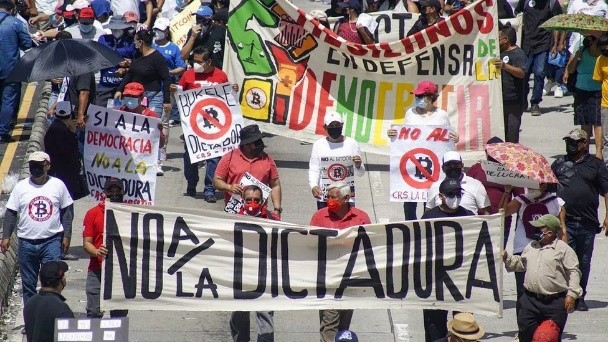
“Current Realities in El Salvador“ Speaker: Danielle Mackey Tuesday, March 8th, 7pm
Danielle, a member of TheNew Yorker‘s editorial staff, based in New York, lived mostly in El Salvador from 2008 until 2021 and was a freelance investigative, longform reporter. Her work has appeared online in The New Yorker, The New Republic and The Atlantic, among others. She still writes and speaks as an independent journalist.
Her ongoing projects include a series of investigations intonarco-activity and corruption in Honduras, with Contracorriente, supported by the Fund for Investigative Journalism, Columbia University’s Center for Mexico and Central America, and the Centro Latinoamericano de Investigación Periodística. Another project involves policing, gangs, and non-carceral and tertiary responses to violence in Central America and in U.S. foreign policy. She has conductedyearsofreportingonthis, funded by grants from various journalism foundations.
Danielle has worked as an adjunct professor in the journalism department at CUNY Lehman College and on the research team at The Intercept, among other media posts. Before journalism, she was an NGO-worker and horse trainer. She is an alum of the NYU M.A. in Global Journalism and Latin American Studies.
“Borders, Homeland Security & Bridges” Speaker: Todd Miller Tuesday, April 12th, 7pm
Todd Miller writes a weekly post for The Border Chronicle. He has researched and written about border issues for more than 15 years, the last eight as an independent journalist and writer. He resides in Tucson, Arizona, but also has spent many years living and working in Oaxaca, Mexico. His work has appeared in the New York Times, TomDispatch, The Nation, San Francisco Chronicle, In These Times, Guernica, and Al Jazeera English, among other places.
“The Struggle for Environmental, Racial & Human Rights in Honduras” Speaker Mary Anne Perrone Tuesday, May 10th, 7pm
Mary Anne is an educator, an activist and a spiritual guide. For over 30 years her area of focus has been on human rights in Latin America. She has worked in the U.S. to raise consciousness about the U.S.’s role in human rights violations in Latin America and the need for substantive change in our foreign policy. In the last two decades, this work has taken her on multiple human rights delegations to several Latin American countries, connecting with and accompanying courageous people working in their own countries to defend those whose human rights are highly threatened. She has been part of the Latin America Caucus of Interfaith Council for Peace & Justice (ICPJ) in Ann Arbor for decades.
Since 2009, Mary Anne has traveled to Honduras a dozen times or more on various human rights delegations, often with SOA Watch. In the last few years she has been part of several SHARE Foundation delegations to Honduras addressing crucial moments in the volatile recent history. Her most recent delegation was in December 2021 in the wake of the historic election process there.
For questions or more information contact ICPJ at Info@icpj.org.
Register for the (online) event here: https://www.eventbrite.com/e/228024355987. There is no cost for these events, but your donations to ICPJ help us to be able to continue this work of educating and mobilizing in our communities.
Lisa is the Co-director of the Latin America Working Group, has led advocacy efforts on human rights issues and U.S. policy towards Latin America for a coalition of human rights, faith, labor and nongovernmental groups for over 20 years. She collaborated with Colombian human rights groups to document, denounce and demand accountability for escalating extrajudicial executions, a collective effort that resulted in a dramatic drop in new abuses and hundreds of cases shifting from military to civilian courts. She has participated in international verification missions on human rights defenders, election monitoring and migrant rights. Lisa has testified before and headlined briefings in the U.S. Congress, addressed press conferences and led workshops in Latin America, and conducted advocacy at all levels of the State and Defense Departments, USAID, Southern Command and Congress. More information here.
This event is hosted by The Interfaith Council for Peace & Justice Latin America Caucus, the University of Michigan Latin American & Caribbean Studies, Wayne State University Center for Latino/a & Latin American Studies, and Huron Valley DSA
The Interfaith Council for Peace & Justice works toward non-violence in our communities, knowing that this can only be achieved through genuine racial and economic equity and justice and by uprooting systems of oppression. Many in our communities have fallen into the misconception that we can only achieve peace through the use of guns and force. But we know that this path has only led to disproportionate violence and imprisonment of Black, Brown, and Indigenous people, and further entrenches us into a cycle of violence. Our vision is for communities in which residents work together to heal the harms of past generations and create community-led responses to crises. Knowing that we have the experience and skills, and the compassion and creativity to solve crises in our community without replicating patterns of violence and harm, ICPJ enthusiastically supports the CROS proposal. We are ready to join with other community partners to create new solutions that move our communities closer toward our vision of justice and nonviolence.
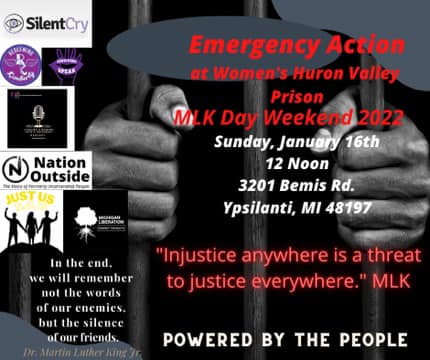
Emergency Action, Sunday, January 16th, at the Women’s Huron Valley Correctional Facility, at 12pm. It’s located at 3201 Bemis Road, Ypsilanti, MI 48197.Conditions at Michigan’s one prison for women have been problematic long before COVID. Overcrowding, lack of access to mental health and adequate medical services, lack of programming, major staffing shortages which lead to fatigue and outright abuse, antiquated buildings, sewage & heating and cooling systems, and more have plagued Women’s Huron Valley for years.
COVID 19 has exacerbated existing problems at the Valley. A recent memo from Sen. Jeff Irwin, reporting from Prison Radio, and accounts from women held at the facility document reduced access to yard time and rehabilitation programs, overcrowding, lack of access to cleaning and sanitary items, and inadequate COVID protections. These conditions have led to a COVID surge at Huron Valley. According to the Detroit Free Press, the facility “constitutes 60% of all known cases [of COVID] among the incarcerated in the state.”This dangerous conditions at the prison require immediate action to address the crisis as well as long-term changes to improve oversight, remedy inhumane conditions, and release women who could safely return to their communities.
Sponsored by: • American Friends Service Committee Michigan Criminal Justice Program • Emergent Justice • Huron Valley DSA • Interfaith Council for Peace & Justice • Just Us NOW • Michigan Collaborative to End Mass Incarceration • Michigan Liberation • Nation Outside • Prison Radio • Southeast MI Pull Over Prevention • Redeeming Kimberly • Silent Cry • Survivors Speak
Moving to 100% renewable energy is essential for carbon neutrality! It’s seemingly impossible due to DTE’s energy mix and current State laws. But now there are two active possibilities for solving this dilemma!
Sustainable Energy Utility (SEU) is a new and innovative type of municipal utility that is legal in Michigan. It would be “a 100% renewably powered, reliable, local, shared, and publicly owned municipal energy utility; built by the community for the community.” It could start very quickly and would not seek to provide all of Ann Arbor’s energy; though it could grow with demand to become much larger over time. Thus, it would be supplementary to (and competitive with) DTE’s energy offerings. The Ann Arbor Office of Sustainability and Innovation (OSI) has worked with five technical advisors to explore the technical and financial feasibility of an SEU, with very positive results. Working with microgrids, an SEU could offer not only solar electricity but other carbon-reducing possibilities such as district level geothermal (i.e., shared among a number of homes), energy efficiency programs to renters as well as owners and energy justice initiatives. See the detailed proposal at this link: www.a2gov.org/a2seu. Individuals and organizations who want to indicate an interest in possibly connecting with the SEU, if it goes forward, should contact OSI at sustainability@a2gov.org
A vote of the City Council is all that would be required to move ahead with an SEU, depending on how the SEU is funded. It is also an option that would be scalable to other cities since it would not require huge amounts of capital up-front.
The OSI has held one public information session on the SEU possibility and will be holding others. Use this LINK to a recording of that session. (Access Passcode: z5tLp+Si)
A Municipal Utility Municipalization is the process of a city acquiring ownership and assuming responsibility for the utilization and distribution of their city’s electric utility system. The establishment of a public power utility would allow the community to control its own power and focus on reliability, reasonable prices, and increased renewable energy sources.
Municipal utilities are legal under Michigan law and a significant number are currently operating in Michigan, although none have been incorporated since the early 1900’s. The first step in considering a transition to a public owned utility is a feasibility study to gain a better understanding of the costs and the process involved with such a transition. A local group, Ann Arbor for Public Power is proposing a Municipal utility and has created an information sheet here.
Ann Arbor’s Energy Commission, while exploring the feasibility of a public utility, invited representatives from Boulder, CO and Winter Park, FL to share their experiences with creating or modifying their transition to having more community control over their generation and distribution of electricity in their individual cities. Both communities offered the pros and cons and challenges along the way of establishing a municipal utility. Both are strong advocates for community control which allows for lower rates, better reliability, and the ability to redirect profits back to their communities. Both presentations can be found here: Winter Park / Boulder. City Council has asked the Energy Commission to make a recommendation on a feasibility study to explore the creation of a public municipal utility by December 31. The concept of municipalization was raised before the SEU proposal was unveiled, so the path forward from here is still emerging. These two possibilities are not mutually exclusive. Ann Arbor could start with the SEU, which could be up and running far more quickly than a full municipal utility, while continuing down the path for full municipalization. DTE has already pushed back against the idea of the city forming its own utility. It is not clear how it will respond to the idea of an SEU, which would not change DTE directly but would be in competition with it by providing 100% renewable energy, likely at a lower cost, given recent technological advances.
Next Steps for both options will require more opportunities for community input and education of Ann Arbor residents as well as further discernment by the Energy Commission and Council. Both options offer alternative methods for generating and distributing electricity that promise to reduce costs, become greener and more reliable, and allow profits generated to go back into our community.
Register for the (online) event here: https://www.eventbrite.com/e/228024355987. There is no cost for these events, but your donations to ICPJ help us to be able to continue this work of educating and mobilizing in our communities.
John has written about, researched and organized action for human rights and demilitarization of U.S. policy, especially in Latin America, for more than 30 years. He left his studies at Harvard University to participate in international disarmament organizing and to accompany Central Americans threatened with political violence. From 1989 to 2014, he served the interfaith pacifist organization Fellowship of Reconciliation (FOR), as coordinator of the Task Force on Latin America and the Caribbean, and as research director, and founded the FOR Colombia peace team.
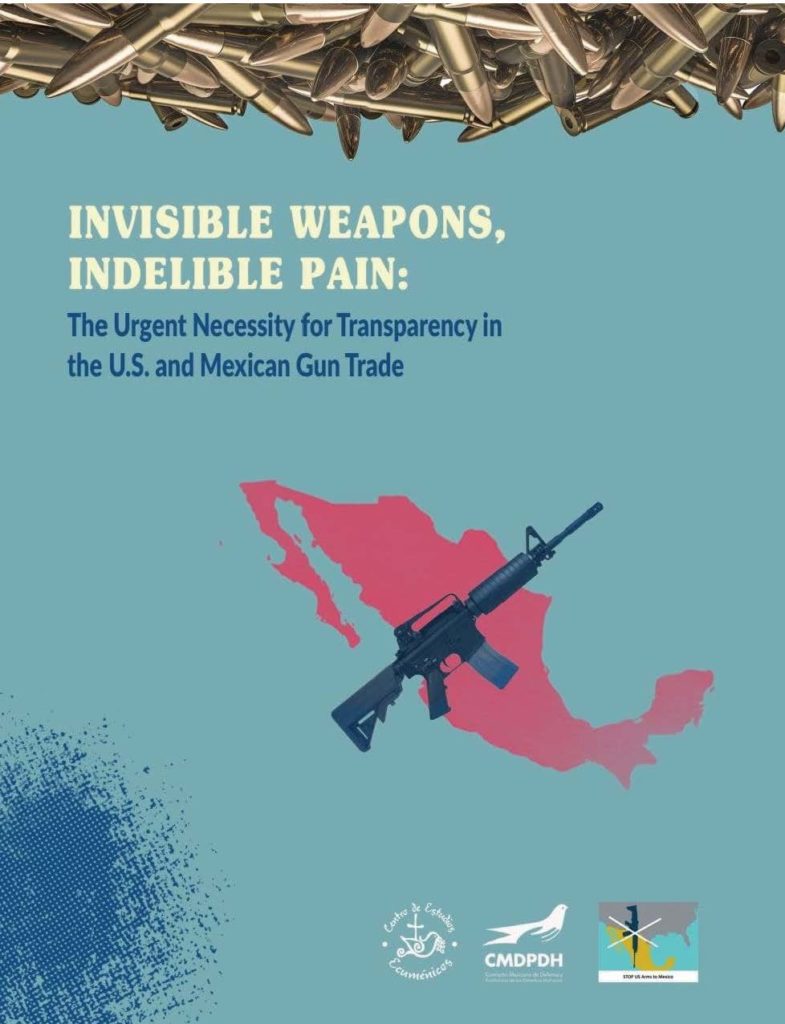
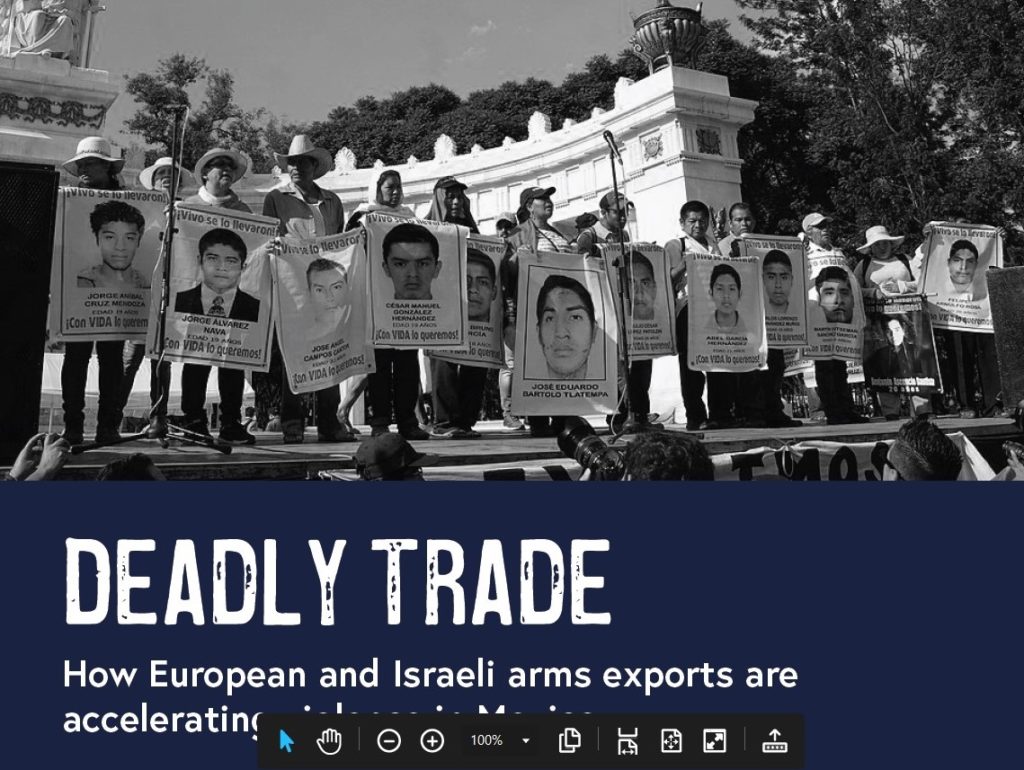
John is the author or co-author of numerous reports on U.S. military policy and human rights in Latin America, including most recently Invisible Weapons, Indelible Pain: The Urgent Necessity for Transparency in the U.S. and Mexican Gun Trade and Deadly Trade: How Europeans and Israeli Arms Exports are Accelerating Violence in Mexico. He is also the author of Plan Colombia: U.S. Allies, Atrocities and Community Activism (2018) and Emperors in the Jungle: The Hidden History of the U.S. in Panama (2003), both published by Duke University Press. His research has focused on the relationship between foreign military assistance and respect for human rights, foreign military bases, and military spending. Recently he has begun developing tools and curriculum for researching militarism on behalf of activist campaigns. He is currently co-director of the California Healing Justice program of the American Friends Service Committee, with a focus on police demilitarization. He coordinates Stop US Arms to Mexico, a project of Global Exchange.
by Donnell Wyche, Senior Pastor Vineyard Church of Ann Arbor & Past President ICPJ
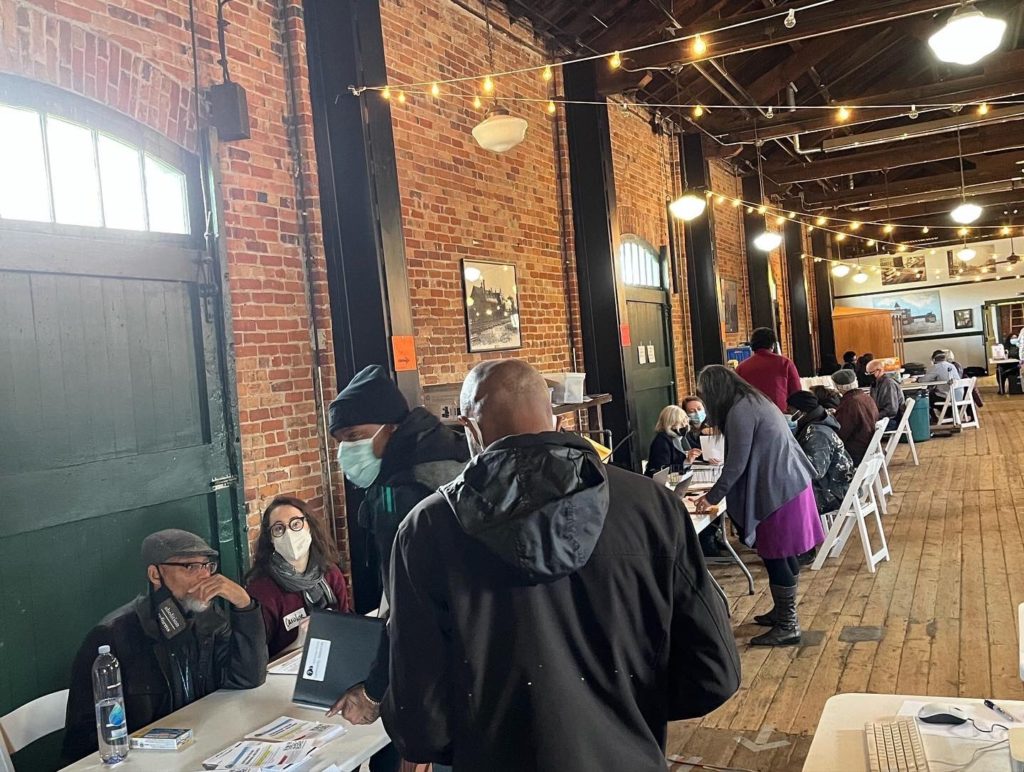
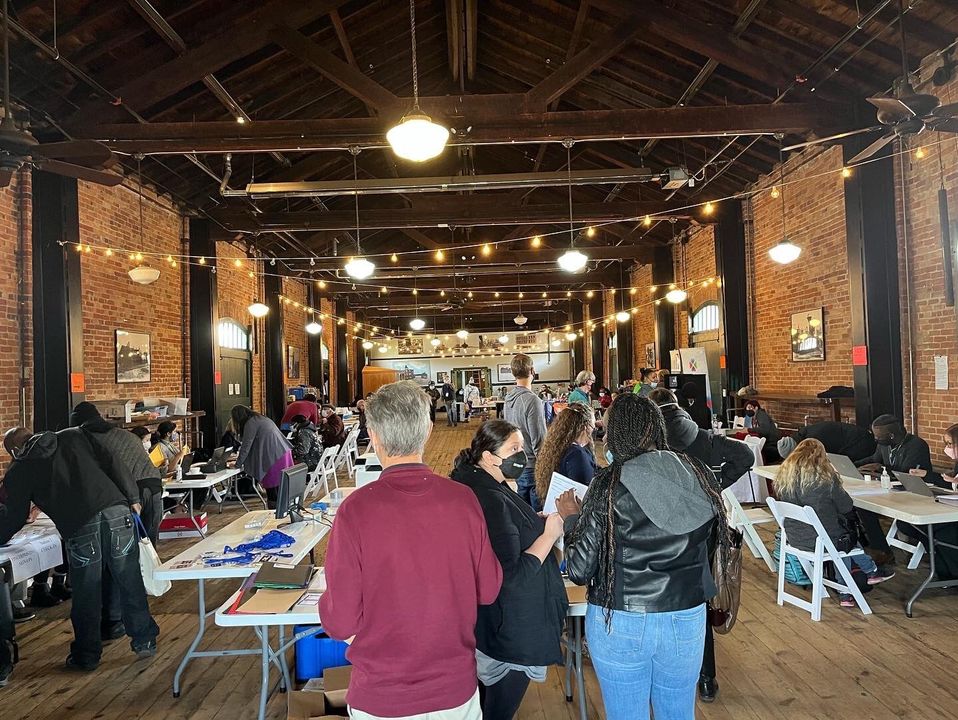
We had an amazing time at the Warrant Resolution event on Tuesday at the Freighthouse in Ypsilanti. After 12 months of planning, including recruiting 40 volunteers, we launched our first warrant resolution, expungement, and eviction prevention event in 14B District Court. Partnering with the County Prosecutor, the Public Defender, Legal Services of South Central Michigan (LSSCM) we offered 125 guests, in-person and on the phone, resources to help determine and resolve outstanding warrants, expungement, and eviction prevention. The event was held at the Freighthouse in Ypsilanti, MI on Tuesday, November 16, 2021. 40 residents started the expungement process and the completed paperwork was filed on their behalf. 85 residents received legal advice from either the Public Defender or LSSCM to resolve outstanding matters before the Court. Several residents met directly with the County Prosecutor about outstanding concerns including a resident who was assaulted by a local law enforcement agency, the Prosecutor was able to remove the arrest record because no charges were filed. All residents who requested financial support to clear bench warrants, past due court fines or fees were granted.MLive covered the event at:https://www.mlive.com/…/ypsilanti-event-will-help…
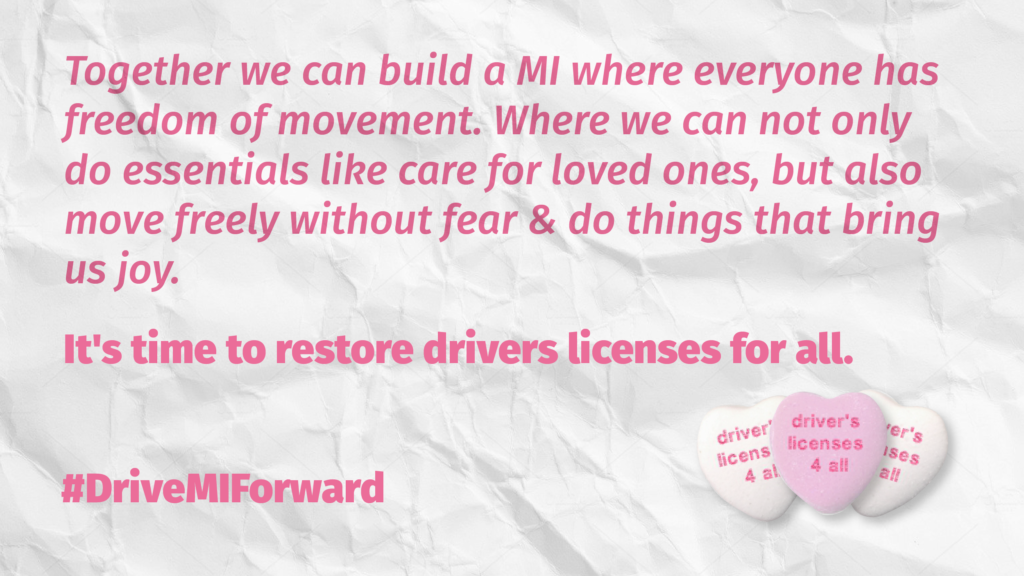
Join us for a brief zoom meeting – to provide all the information you need to know about the #DriveSAFE effort to restore drivers’ licenses for all Michiganders, including undocumented immigrants.
We all want the right to care for our loved ones and to move freely without feeling like a target. To do that, we all need the right to obtain a driver license, regardless of immigration status or what documentation we have.
Undocumented immigrants in Michigan had been able to obtain driver’s licenses to go to work, get groceries and prescriptions, and drive their children to the doctor, with the same rights and restrictions as other Michiganders. This was ended in 2008. In May 2021, the Drive SAFE bills were introduced in the state legislature to correct that injustice.
Watch here for the Press Conference following the surprise cancellation of the hearing for the #DriveSafe bills on September 14th, including the planned testimony of former legislator, farmers, business leaders, and Michiganders from different communities. (At 16 minutes into the video, listen to Nelly Fuentes read her testimony about the importance of this legislation.)
Help spread the word about this Brown Bag and sign up here for more information about joining future Deep Canvassing events (phone-banking with time to talk with the person you are speaking with). ICPJ will be organizing a Deep Canvassing training and events to support the Drive Michigan Forward Coalition efforts. For the most updated campaign information or learn more about the coalition, go to: https://www.drivemichiganforward.com/
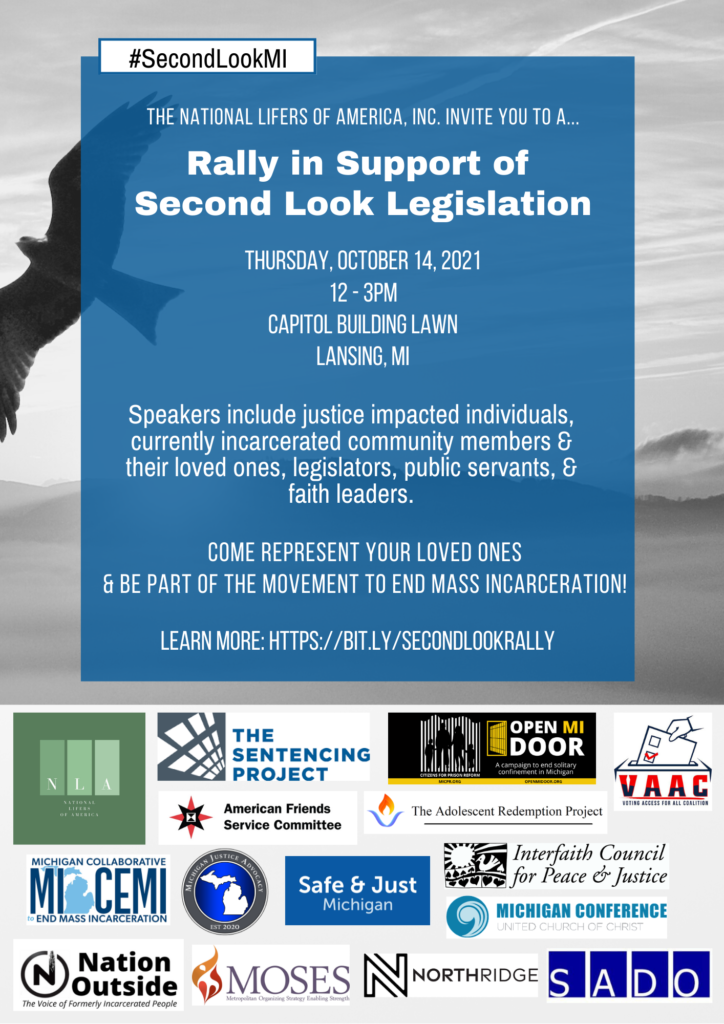
Second Look legislation creates a pathway for sentencing judges to review cases to evaluate if people who have been in prison for 10 years or longer are a danger to the community. More information: https://bit.ly/SecondLookRally
The Warrant Resolution Project is a community-based restorative justice initiative in partnership with ICPJ seeking to create a safer community by assisting residents with information, education, and solutions to outstanding warrants before the courts in Washtenaw County.
On Tuesday, November 16th, in cooperation with the Washtenaw County 14B, which covers Ypsilanti and Ypsilanti Township, we will host a community-wide “Warrant Resolution Day” for people to clear outstanding non-compliance warrants. Plans are underway to include judges from 14A and 16th as well.
Bench warrants can be issued for many reasons (such a failure to pay parking tickets or to appear in court), but their impacts can be devastating. People with outstanding warrants can be arrested and jailed without notice, putting their employment and their families in jeopardy. Often, people are unaware that warrants have been issued against them.
Though the warrant resolution process will be conducted by court personnel, we need lots of volunteer support to make the event successful. Please complete the volunteer form via this (case sensitive) link: https://bit.ly/3Ba0Kss
People fail to address outstanding warrants for a variety of reasons as well. As expressed byan article in ProPublica describing the use of warrants to collect medical debt by predatory lenders, “debtors are arrested for not responding to a court summons requested by the creditor. But for many low-income people, who are not familiar with court proceedings, lack access to transportation, child care options or time off, or move frequently and thus may not receive notifications, it’s a distinction without a difference.†Because bench warrants are often issued for failure to pay things like parking tickets, child support, and legal debt, people who are poor may fail to appear because they fear incarceration for nonpayment or because they find it difficult to take time off work without loss of pay. (Sekhon, 2018, 1004).
As a result, warrants represent significant threats to the economic and social stability of Washtenaw County residents, and particularly those who come from historically marginalized and over-policed communities. The typical amount of a bench warrant in Washtenaw County is $50, but for those at the margins, the costs can be much higher. Having an outstanding warrant makes a person vulnerable to arrest at any time and hesitant to interact with any “official†entity that might require identification, not only the police, but also schools, government agencies, and hospitals. Non-compliance warrants that surface during traffic stops (which already disproportionately target people of color and people in poor neighborhoods) can lead to vehicle searches, additional arrests and additional criminal charges, which in turn create yet another set of non-compliance warrants and arrests. Poor people are disproportionately affected by warrants because marginal employment provides too little income to pay a legal debt or flexibility to take time off for court appearances. Failure to appear and inability to pay also make them more likely to be incarcerated and to lose their jobs (Gaston and Brunson, 2020, 108; Sekhon, 2018, 1003). An outstanding warrant also results in loss of federal welfare benefits, and because the warrant system is linked to Social Security Administration, benefits cease immediately when a warrant is reported to the system. People with outstanding warrants are unable to renew driver’s licenses, impacting their ability to seek and retain employment. Legal debt, like criminal convictions and mass incarceration, and also like consumer debt, is a driver of inequality in American society (Harris, Evans & Beckett, 2010, 1762).
How can I help? There are three ways you can help with this effort:
You can make a donation to ICPJ and designate it for Warrant Resolution. Our participants and community members will need resources to pay fees and liens as a result of their outstanding warrants. The typical fee is between $50 – $75.
You can help us locate volunteer defense attorneys and lawyers to provide legal services to community participants.
You can contact the Reverend Donnell Wyche, senior pastor, Vineyard Church of Ann Arbor with any questions or partnership inquiries. Donnell can be reached by email at donnell.wyche@annarborvineyard.org or by phone / text at (734) 649-6173.
Ann Arbor Friends Meeting (Quakers) invites you to bear peaceful witness to the urgency of the climate crisis. We will gather at 11:30am in the parking lot behind Blake Transit Center (William St), walk together around noon to the local branch of Chase Bank in downtown Ann Arbor (Main & Washington) and deliver a letter to the CEO of JP Morgan Chase asking him to lead Chase in disinvesting from fossil fuel and financing renewable energy businesses instead.
Chase is a major funder of Enbridge’s Line 3, a pipeline bringing tar sands oil from Alberta through Native American lands in Minnesota, and of the current and replacement versions of Line 5, a pipeline that crosses the Straits of Mackinac.
This is part of an international witness by people of faith called together by Greenfaith (greenfaith.org) to make visible the concern of faith communities in anticipation of the U.N. Climate Talks. Please join us as individuals or groups, bringing your own letters if you wish and making clear your witness as people of faith with signs, banners, etc. For more information or to express your interest, please reply to peggydaub@hotmail.com