The Warrant Resolution Project is a community-based restorative justice initiative in partnership with ICPJ seeking to create a safer community by assisting residents with information, education, and solutions to outstanding warrants before the courts in Washtenaw County.
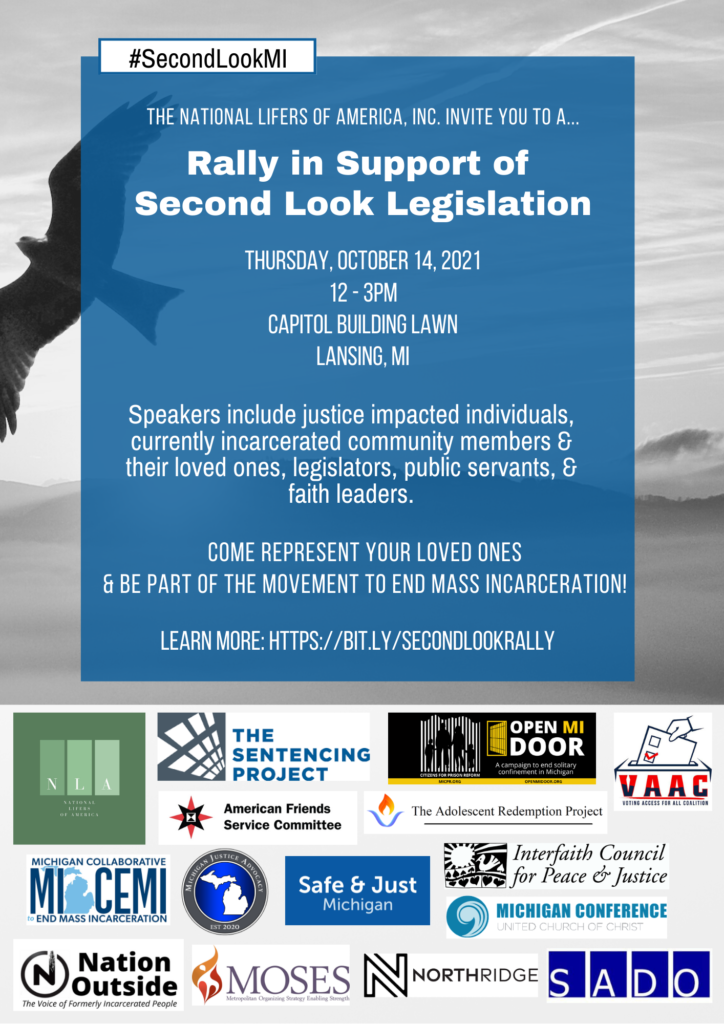
On Tuesday, November 16th, in cooperation with the Washtenaw County 14B, which covers Ypsilanti and Ypsilanti Township, we will host a community-wide “Warrant Resolution Day” for people to clear outstanding non-compliance warrants. Plans are underway to include judges from 14A and 16th as well.
Bench warrants can be issued for many reasons (such a failure to pay parking tickets or to appear in court), but their impacts can be devastating. People with outstanding warrants can be arrested and jailed without notice, putting their employment and their families in jeopardy. Often, people are unaware that warrants have been issued against them.
Though the warrant resolution process will be conducted by court personnel, we need lots of volunteer support to make the event successful. Please complete the volunteer form via this (case sensitive) link: https://bit.ly/3Ba0Kss
Bench warrants are commonly issued for failure to attend a scheduled court appearance or to fulfill the conditions of probation, but can also be issued for failure to pay child support, for misdemeanor offenses, failure to fill out a juror questionnaire, flagging a ride from a police officer, and even unpaid library fines. In 2019, an estimated 2300 open warrants in Ann Arbor for such minor offenses as disorderly conduct and driving with a suspended license.
People fail to address outstanding warrants for a variety of reasons as well. As expressed by an article in ProPublica describing the use of warrants to collect medical debt by predatory lenders, “debtors are arrested for not responding to a court summons requested by the creditor. But for many low-income people, who are not familiar with court proceedings, lack access to transportation, child care options or time off, or move frequently and thus may not receive notifications, it’s a distinction without a difference.†Because bench warrants are often issued for failure to pay things like parking tickets, child support, and legal debt, people who are poor may fail to appear because they fear incarceration for nonpayment or because they find it difficult to take time off work without loss of pay. (Sekhon, 2018, 1004).
As a result, warrants represent significant threats to the economic and social stability of Washtenaw County residents, and particularly those who come from historically marginalized and over-policed communities. The typical amount of a bench warrant in Washtenaw County is $50, but for those at the margins, the costs can be much higher. Having an outstanding warrant makes a person vulnerable to arrest at any time and hesitant to interact with any “official†entity that might require identification, not only the police, but also schools, government agencies, and hospitals. Non-compliance warrants that surface during traffic stops (which already disproportionately target people of color and people in poor neighborhoods) can lead to vehicle searches, additional arrests and additional criminal charges, which in turn create yet another set of non-compliance warrants and arrests. Poor people are disproportionately affected by warrants because marginal employment provides too little income to pay a legal debt or flexibility to take time off for court appearances. Failure to appear and inability to pay also make them more likely to be incarcerated and to lose their jobs (Gaston and Brunson, 2020, 108; Sekhon, 2018, 1003). An outstanding warrant also results in loss of federal welfare benefits, and because the warrant system is linked to Social Security Administration, benefits cease immediately when a warrant is reported to the system. People with outstanding warrants are unable to renew driver’s licenses, impacting their ability to seek and retain employment. Legal debt, like criminal convictions and mass incarceration, and also like consumer debt, is a driver of inequality in American society (Harris, Evans & Beckett, 2010, 1762).
How can I help?
There are three ways you can help with this effort:
You can make a donation to ICPJ and designate it for Warrant Resolution. Our participants and community members will need resources to pay fees and liens as a result of their outstanding warrants. The typical fee is between $50 – $75.
You can volunteer at our warrant resolution event on Tuesday, November 16th.
You can help us locate volunteer defense attorneys and lawyers to provide legal services to community participants.
You can contact the Reverend Donnell Wyche, senior pastor, Vineyard Church of Ann Arbor with any questions or partnership inquiries. Donnell can be reached by email at donnell.wyche@annarborvineyard.org or by phone / text at (734) 649-6173.